📣 Call now — limited evening slots available! | Ask about our 3-Hour Guarantee! | Join the Beco Club and get a lifetime warranty on repairs!
Central Air Conditioning FAQs: Everything You Need to Know
Welcome to our comprehensive guide on central air conditioning systems! At Beco Air & Heat, we understand that choosing the right air conditioning system for your home or business in the Fort Worth area can be a daunting task. That’s why we’ve compiled a list of frequently asked questions to help you make an informed decision. Whether you’re considering a new installation or curious about maintenance, we’ve got you covered. So, let’s dive into the essentials of central air conditioning and ensure you’re equipped for the warmer months ahead.
What Is Central Air Conditioning?
Central air conditioning is a system designed to cool the entire building from a central location. Unlike window units that cool a single room, central air uses a network of ducts to distribute cool air throughout your home or business. At Beco Air & Heat, we specialize in installing and maintaining these systems to ensure efficient and uniform cooling in every room.
Key Components of Central Air Conditioning:
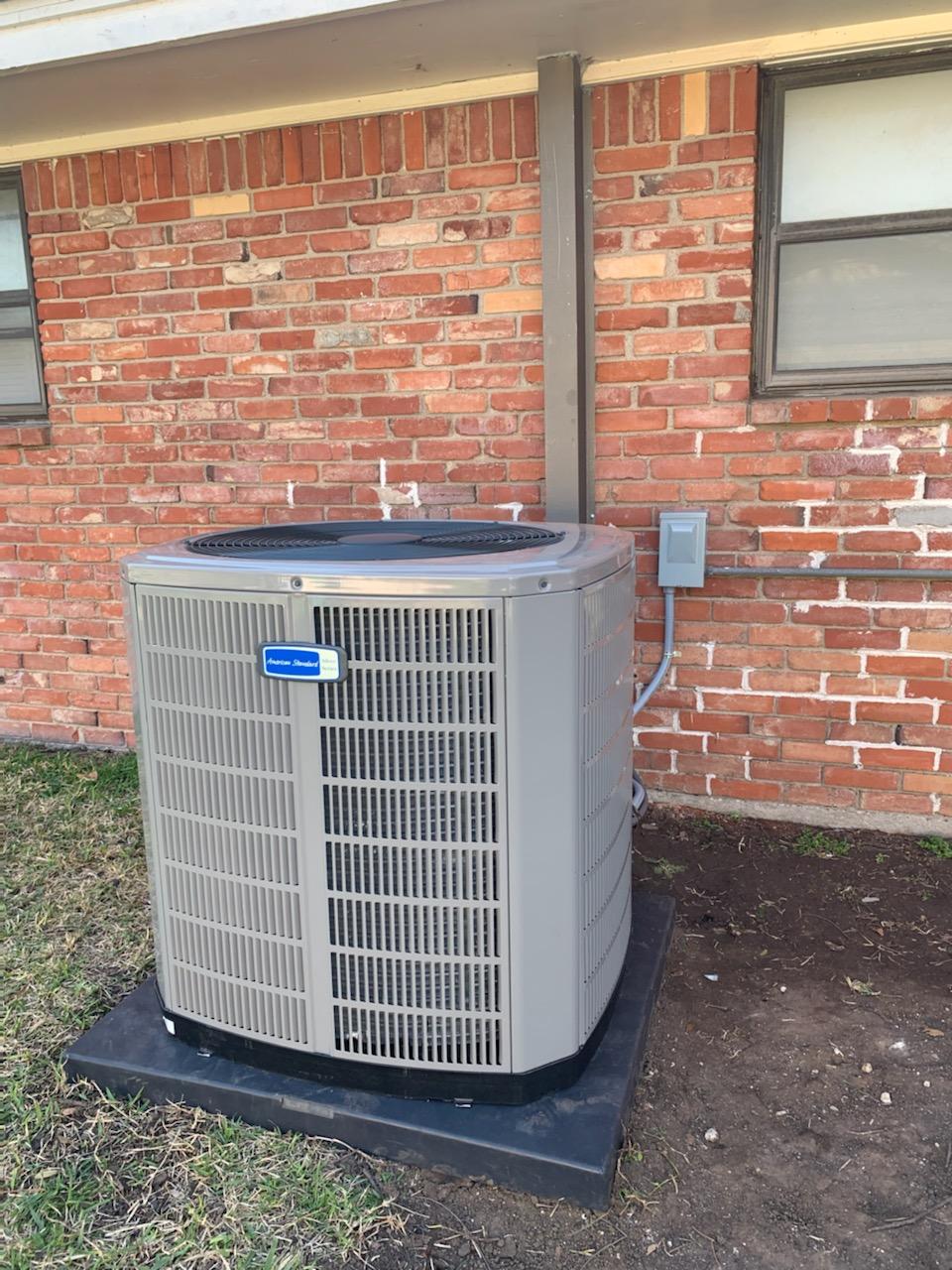
Condenser: This is usually located outside and is responsible for expelling heat removed from the air.
Evaporator: Located on or near the furnace inside the home, this component cools the air as it passes through.
Ductwork: These are the pathways through which cooled air travels to various parts of the building.
Thermostat: This device controls the temperature and regulates when the air conditioning system turns on and off.
By understanding these components, you can better appreciate how central air conditioning works and its benefits over other types of cooling systems.
How Does Central Air Conditioning Work?
Central air conditioning systems function through a cycle of cooling compressed refrigerant, which is then circulated through the evaporator coil. The process involves several key steps:
Refrigerant Compression: The compressor, located in the outdoor unit, compresses the refrigerant, which increases its temperature and pressure.
Heat Release: The hot, high-pressure refrigerant travels through the condenser coil where it releases its heat to the outside air. This process cools the refrigerant down as it condenses into a liquid.
Indoor Cooling: The cooled, liquid refrigerant is then pumped back inside to the evaporator coil. There, it expands and cools further, becoming a low-pressure gas.
Air Distribution: As this happens, indoor air is drawn over the cold evaporator coil, cooling it before it is blown through the ducts into different rooms.
This cycle repeats to maintain the desired temperature set on your thermostat. At Beco Air & Heat, we ensure that every component of your central air conditioning system is in top shape, offering routine maintenance services to enhance efficiency and longevity. Learn more about our maintenance services here.
What Are the Benefits of Installing Central Air Conditioning?
Central air conditioning offers several advantages that make it a popular choice for both residential and commercial properties in the Fort Worth area. Here are some of the key benefits:
Consistent and Uniform Cooling: Central air conditioning systems distribute cool air evenly throughout every room. This eliminates hot spots and ensures a comfortable environment in all areas of your building.
Improved Air Quality: As air circulates through the system, it passes through filters that can remove airborne particles such as dust, pollen, and other allergens, contributing to healthier indoor air.
Quiet Operation: Unlike window units that can be noisy, central air conditioners are designed to work quietly, with the noisiest components located outside the building.
Energy Efficiency: Modern central air conditioners are highly efficient, which can reduce energy costs. High-efficiency systems like those we install at Beco Air & Heat may qualify for energy rebates, adding to your savings.
Increased Property Value: Installing a central air conditioning system can increase the resale value of your property, making it a wise investment.
At Beco Air & Heat, we offer a range of energy-efficient central air conditioning systems backed by a 10-year warranty on parts and labor on select systems. Check out our available options here.
How Often Should Central Air Conditioning Be Serviced?
Regular maintenance is crucial to ensuring your central air conditioning system operates efficiently and lasts as long as possible. At Beco Air & Heat, we recommend the following maintenance schedule:
Annual Check-ups: Ideally, your central air system should be inspected by a professional at least once a year. This helps catch any potential issues early on, preventing costly repairs down the line. Spring is a great time for a tune-up to ensure your system is ready for the summer months.
Filter Changes: Air filters should be checked every month, especially during high usage periods. A dirty filter can reduce air quality and system efficiency. Replace or clean filters as needed to maintain optimal airflow and indoor air quality.
Duct Cleaning: While not needed as frequently, ductwork should be checked for cleanliness every few years. Clean ducts help maintain healthy air quality and system efficiency.
Joining the Beco Club maintenance agreement can keep your system running smoothly year after year, providing peace of mind and additional benefits like priority service and special pricing on repairs. Learn more about the benefits of our Beco Club here.
What Should You Consider When Upgrading Your Central Air Conditioning System?
When it’s time to upgrade your central air conditioning system, there are several factors to consider to ensure you choose the right system for your needs. At Beco Air & Heat, we recommend focusing on the following key aspects:
System Size: Choosing the correct size for your air conditioning system is crucial. A system that’s too large will cycle on and off too frequently, reducing efficiency and increasing wear. Conversely, a system that’s too small won’t adequately cool your space. Our NATE-certified technicians can perform a detailed load calculation to determine the ideal system size for your home or business.
Energy Efficiency: Look for systems with a high Seasonal Energy Efficiency Ratio (SEER) rating. Higher SEER ratings indicate better energy efficiency, which can significantly reduce your electricity bills over time. We offer systems that not only meet but exceed current regulatory requirements for efficiency.
Features and Technology: Consider systems with advanced features like programmable thermostats, variable speed motors, and smart home compatibility. These features can enhance comfort and convenience while providing better control over your cooling.
Warranty and Support: Ensure that your new system comes with a robust warranty and reliable customer support. We back our installations with a 10-year warranty on parts and labor on select systems, plus a lifetime warranty on craftsmanship to give you added peace of mind.
At Beco Air & Heat, we can help you navigate these considerations to find the perfect air conditioning solution for your space. For more detailed information on our installation services, visit our website here.
Conclusion: Staying Cool with Confidence
Choosing and maintaining a central air conditioning system can seem complex, but with the right information and a trusted partner, it becomes a straightforward process. At Beco Air & Heat, we are dedicated to ensuring that residents and businesses in Fort Worth and the surrounding areas enjoy optimal comfort with high-quality, reliable air conditioning solutions. From initial consultation and installation to ongoing maintenance and repairs, our team is here to support you every step of the way.
We believe in doing the right thing by providing upfront pricing, exceptional service, and no overtime charges—ever. Our commitment to excellence is reflected in our A+ BBB rating and our comprehensive warranties that protect your investment. Whether you’re looking to install a new system or need help keeping an existing one running smoothly, we’re here to help.
For more information or to schedule a service, visit our contact page today. Stay cool and comfortable with Beco Air & Heat, where we do ordinary things extraordinarily well!
2024 Guide to Spring and Summer Energy Savings: Practical Tips for Homeowners
As we welcome the warmer months, the quest for comfort in our homes often leads to a significant increase in energy consumption. During spring and summer, the rising temperatures not only test our resilience but also our wallets. However, the good news is that there are numerous strategies homeowners can employ to significantly reduce their energy bills without compromising on comfort. In this 2024 Guide to Spring and Summer Energy Savings, we will share practical tips that not only ensure your home remains a haven of comfort but also help you save on energy costs.
Understanding Your Home’s Energy Use
The foundation of achieving spring and summer energy savings lies in understanding your home’s energy use. As temperatures rise, so does the demand on your home’s cooling system. This increased demand can lead to higher energy consumption and, consequently, higher energy bills. However, by gaining insights into your home’s energy use patterns and the factors contributing to inefficiencies, you can take proactive steps to reduce consumption and enhance comfort.
Identifying Energy Consumption Patterns
The first step towards optimizing energy use is to identify when and how energy consumption peaks in your home. For many, the highest energy use occurs during the hottest parts of the day when air conditioning units work the hardest to maintain comfortable indoor temperatures. Additionally, energy consumption can increase if your home is not properly insulated or if your HVAC system is outdated or not maintained.
Regular maintenance of your heating, cooling, and ventilation system plays a crucial role in energy efficiency. A well-maintained HVAC system operates more efficiently, uses less energy, and provides better cooling. At Beco Air & Heat, we emphasize the importance of routine tune-ups and maintenance checks. Our NATE-certified technicians are equipped to work on any make or model, ensuring that your system runs smoothly and efficiently, regardless of its brand. This not only helps reduce energy consumption but also extends the lifespan of your system, providing better value for your investment.
Leveraging Smart Thermostats
Another effective strategy to manage energy use is the adoption of smart thermostats. These devices allow for more precise control over your home’s temperature settings, enabling you to adjust cooling based on your schedule and preferences automatically. By setting your thermostat to a higher temperature when you’re not home and cooling only when necessary, you can achieve significant energy savings without sacrificing comfort.
Assessing Your Home’s Efficiency
A home energy audit can also reveal opportunities for energy savings. This assessment identifies areas where your home may be losing energy, such as through leaks, poor insulation, or inefficient windows. Addressing these issues not only reduces your cooling needs but also contributes to overall energy savings throughout the year.
In summary, understanding your home’s energy use is the first step towards achieving spring and summer energy savings. By identifying energy consumption patterns, maintaining your HVAC system, utilizing smart thermostats, and improving home efficiency, you can enjoy a comfortable home environment while minimizing energy costs. At Beco Air & Heat, we’re committed to helping you achieve these goals, ensuring your comfort throughout the warmer months.
Optimizing Air Conditioning for Efficiency ❄️
With the arrival of warmer weather, the air conditioning unit becomes an indispensable tool for maintaining home comfort. However, it’s also a significant energy consumer. Optimizing your air conditioning for efficiency is crucial to achieving energy savings without compromising on comfort. Here are some practical steps homeowners can take to ensure their air conditioning systems operate as efficiently as possible.
Regular Air Conditioner Maintenance
The efficiency of your air conditioning system largely depends on its condition. An unmaintained system has to work harder to cool your home, leading to increased energy consumption and higher bills. Scheduling regular maintenance is key to keeping your system running smoothly. At Beco Air & Heat, we offer comprehensive air conditioner maintenance services that include cleaning filters, checking refrigerant levels, and ensuring all components are in optimal working condition. These routine checks not only improve efficiency but also prevent costly repairs down the line.
Upgrade to Energy-Efficient Models
If your air conditioning unit is old or underperforming, consider upgrading to a more energy-efficient model. Modern air conditioners are designed to use less energy while providing better cooling. We can help you select a system that fits your home’s needs and budget, backed by our 10-year warranty on parts and labor on select systems. An upgrade not only contributes to energy savings but also enhances the overall comfort of your home.
Smart Thermostat Integration
Integrating a smart thermostat with your air conditioning system can lead to significant energy savings. Smart thermostats adjust the cooling based on your schedule and preferences, ensuring you’re not wasting energy cooling an empty home. These devices can learn your habits over time and adjust settings for maximum efficiency and comfort. We encourage homeowners to explore this technology as a way to optimize their air conditioning use.
Seal and Insulate Your Home
Ensuring your home is properly sealed and insulated can dramatically reduce the workload on your air conditioning system. Leaks around doors, windows, and ductwork allow cool air to escape, forcing your system to work harder to maintain comfortable temperatures. Adding insulation to attics and walls helps keep the cool air inside. Simple measures like sealing leaks and improving insulation can have a significant impact on your system’s efficiency and your energy bills.
Utilize Fans for Air Circulation
Ceiling fans and other circulating fans can assist in evenly distributing cool air throughout your home. This can provide a cooling effect, allowing you to set the thermostat slightly higher without reducing comfort. Fans use significantly less energy than air conditioning units and can be an effective way to enhance the efficiency of your cooling system.
By following these steps, homeowners can optimize their air conditioning systems for efficiency, leading to lower energy consumption and significant savings on energy bills. At Beco Air & Heat, we’re dedicated to helping you achieve these savings while maintaining the comfort and quality of your home environment. Let us assist you in preparing your home for the warmer months ahead, ensuring your cooling system is as efficient and effective as possible.
Innovative Cooling Solutions
As we strive for efficiency in our homes during the warmer months, exploring innovative cooling solutions can offer significant energy savings and enhanced comfort. Traditional air conditioning systems, while effective, may not always be the most energy-efficient or cost-effective option for every home. Here, we delve into alternative cooling technologies and practices that can keep your home comfortable in an environmentally friendly and economically savvy way.
Ductless AC Units
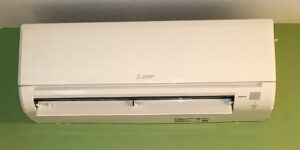
Ductless air conditioning systems, or mini-split systems, provide an efficient and flexible alternative to traditional central air systems. These units allow you to cool specific rooms or zones in your home, reducing energy waste and offering personalized comfort. Ideal for homes without existing ductwork or for additions where extending ductwork is impractical, ductless systems are both energy-efficient and relatively easy to install. We specialize in the installation and maintenance of ductless AC units, helping you choose the right option for your needs and ensuring optimal performance.
Geothermal Cooling Systems
Geothermal cooling utilizes the stable temperatures beneath the earth’s surface to cool your home efficiently. This system circulates a water-based solution through underground pipes, absorbing the earth’s cool temperatures and transferring it indoors. While the initial installation cost can be higher than traditional systems, geothermal cooling offers unparalleled efficiency, significantly lower operating costs, and a long lifespan. We can assess your property to determine if geothermal cooling is a viable option and manage the installation process, providing a sustainable solution for your cooling needs.
Wine Cellar Cooling for Specialty Needs
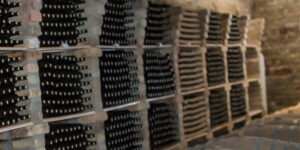
For homeowners with wine collections, maintaining the right temperature is crucial. Traditional cooling systems may not offer the precise temperature control needed for wine cellars. We provide specialized wine cellar repair and maintenance services, ensuring your collection is preserved in optimal conditions. Our solutions are designed to be energy-efficient while providing the exact cooling requirements for wine storage.
Maximizing Natural Ventilation
Incorporating natural ventilation into your home’s design can reduce dependence on mechanical cooling systems. Design features like operable windows, vents, and strategic window placement can harness breezes and promote cross-ventilation, naturally lowering indoor temperatures. We can offer advice on maximizing natural ventilation in your home, potentially reducing the need for air conditioning during milder weather.
Landscaping for Cooler Homes
Strategic landscaping can also play a role in keeping your home cool. Planting shade trees, vines, and shrubs around your home can block direct sunlight, naturally reducing indoor temperatures. This green approach not only enhances your home’s curb appeal but also contributes to a cooler indoor environment and energy savings over time.
By considering these innovative cooling solutions, homeowners can enjoy a comfortable, energy-efficient home throughout the spring and summer months. At Beco Air & Heat, we’re committed to exploring and implementing cutting-edge technologies and practices that meet your unique needs while minimizing environmental impact and energy costs. Let us guide you toward a cooler, more sustainable home this season.
The Role of Regular Maintenance
One of the most effective strategies for ensuring spring and summer energy savings is committing to regular maintenance of your HVAC system. Consistent, professional maintenance not only keeps your system running at peak efficiency but also extends its lifespan and can prevent costly emergency repairs. Here’s how regular maintenance plays a critical role in optimizing your home’s energy efficiency and comfort.
Beco Club Maintenance Agreement
We understand the importance of regular maintenance, which is why we offer the Beco Club Maintenance Agreement. This agreement is designed to keep your heating and cooling system in top condition year-round. Members benefit from priority service, comprehensive tune-ups, and significant repair savings. Regular maintenance checks include cleaning, adjusting, and inspecting your system to ensure it operates efficiently and effectively, reducing the risk of sudden breakdowns and maximizing energy savings.
Benefits of Professional Tune-Ups
A professional tune-up goes beyond simple filter changes. Our NATE-certified technicians perform a thorough inspection and maintenance process that includes checking refrigerant levels, cleaning coils, inspecting electrical connections, and ensuring the thermostat is accurately calibrated. These steps help to improve the efficiency of your system, which can significantly lower your energy bills. Regular tune-ups also identify potential issues before they become major problems, saving you from unexpected costs and inconvenience.
Extending the Lifespan of Your HVAC System
Regular maintenance not only saves you money on your energy bills but also extends the lifespan of your HVAC system. Well-maintained systems can last several years longer than neglected ones, providing better value for your investment. With our commitment to excellence and customer satisfaction, we ensure that your system receives the best care possible, prolonging its service life and ensuring reliable performance.
Improving Indoor Air Quality
Maintenance also plays a crucial role in maintaining healthy indoor air quality. A clean, well-functioning system efficiently removes contaminants and allergens from the air, creating a healthier living environment for you and your family. Regular checks and cleanings ensure that your system is not only energy-efficient but also promotes a clean, safe indoor atmosphere.
Peace of Mind
Lastly, regular maintenance provides peace of mind. Knowing that your HVAC system is in excellent condition and that any potential issues are addressed promptly can ease worries about unexpected failures, especially during the hottest days of summer. Our goal is to ensure that your system runs smoothly, providing you with comfort and reliability throughout the season.
At Beco Air & Heat, we are dedicated to providing high-quality heating and cooling services that exceed your expectations. Our comprehensive maintenance services are designed to keep your system running efficiently, ensuring your comfort while maximizing energy savings. Let us take care of your HVAC system with our expert maintenance solutions so you can enjoy a comfortable, energy-efficient home all year round.
Additional Tips for Reducing Energy Bills
Beyond optimizing your HVAC system and exploring innovative cooling solutions, there are several additional strategies homeowners can implement to reduce their energy bills further during the spring and summer months. These tips focus on improving your home’s overall energy efficiency and can have a significant impact on your comfort and wallet.
Enhancing Home Insulation
Proper insulation is key to maintaining a comfortable indoor temperature and reducing energy consumption. Insulation helps keep cool air inside during the summer and prevents heat from entering, minimizing the workload on your air conditioning system. Check your attic, walls, and floors for adequate insulation, and consider upgrading if necessary. This investment not only improves your home’s energy efficiency but can also increase its value.
Installing Energy-Efficient Windows
Windows play a crucial role in your home’s energy efficiency. Single-pane windows or older models can allow a significant amount of heat to enter your home, making your cooling system work harder. Upgrading to double-pane, energy-efficient windows can greatly reduce heat gain and help maintain consistent indoor temperatures, leading to lower energy bills.
Using Window Treatments to Your Advantage
Window treatments such as blinds, curtains, and shades can be highly effective in blocking out heat from the sun. During the hottest parts of the day, closing window treatments can prevent solar heat gain, keeping your home cooler without overworking your air conditioner. This simple action can make a noticeable difference in your home’s comfort and energy consumption.
Adopting Energy-Saving Habits
Small changes in your daily habits can also lead to energy savings. Turning off lights and electronics when not in use, using fans to circulate air, and avoiding using heat-generating appliances during the hottest parts of the day can all contribute to a cooler, more energy-efficient home. Encouraging the whole family to adopt these habits can amplify the benefits and lead to significant savings over time.
Considering Renewable Energy Options
Investing in renewable energy sources, such as solar panels, can dramatically reduce your reliance on the grid and lower your energy bills. Solar energy can power your home’s cooling system, lighting, and other electrical appliances, providing a sustainable and cost-effective energy solution. While the initial investment may be higher, the long-term savings and environmental benefits are substantial.
By implementing these additional energy-saving tips, homeowners can enhance their efforts to maintain a comfortable, efficient, and cost-effective home during the warmer months. At Beco Air & Heat, we’re committed to helping you achieve the highest level of comfort and energy efficiency in your home. Whether through our expert HVAC services or through guiding you in adopting energy-saving practices, we are here to support your journey towards a more sustainable lifestyle. Let us help you make this spring and summer your most comfortable and cost-effective yet.
Embrace Efficiency with Beco Air & Heat
Ready to slash your energy bills and boost your home comfort? Let Beco Air & Heat guide you to a cooler, more efficient summer. With our expert services, from maintenance to innovative cooling solutions, achieving energy savings has never been easier. Contact us now—your journey towards a sustainable, comfortable home starts here!
5 Must-Do Geothermal System Maintenance Tasks Every Homeowner Should Know
When it comes to maintaining the efficiency and extending the lifespan of your geothermal system, understanding the critical maintenance tasks is paramount. Geothermal systems offer a sustainable and energy-efficient solution for heating and cooling your home, leveraging the stable temperatures underground to provide comfort year-round. However, like any sophisticated piece of equipment, a geothermal system requires regular maintenance to operate at its best.
At Beco Air & Heat, we specialize in ensuring your geothermal system remains in top condition, safeguarding your investment, and keeping your living space comfortable regardless of the season. With our extensive experience and commitment to excellence, we’re dedicated to providing you with the highest quality of service. Let us guide you through the must-do maintenance tasks that every homeowner should be aware of to ensure your geothermal system continues to deliver optimal performance and efficiency.
1. Understanding Your Geothermal System
A geothermal system represents a cutting-edge solution for heating, cooling, and providing hot water to your home by leveraging the stable underground temperature. This innovative approach offers unparalleled efficiency and environmental benefits compared to traditional HVAC systems. To ensure you get the most out of your geothermal system, it’s crucial to grasp its operation and the significance of routine maintenance.
Key Components of a Geothermal System
Ground Loop: This is a network of pipes buried beneath the ground. It circulates a water-based solution to absorb or release heat from/to the earth.
Heat Pump Unit: Situated inside your home, this unit exchanges heat with the fluid from the ground loop to heat or cool your living space.
Distribution System: Typically consists of ductwork through which the heated or cooled air is distributed throughout your home.
How It Works
Heat Transfer: In winter, the system draws heat from the ground through the ground loop and transfers it indoors. In summer, the process reverses, removing heat from your home and dissipating it into the ground.
Efficient and Sustainable: By utilizing the consistent temperatures underground, geothermal systems operate remarkably efficiently, reducing reliance on fossil fuels and lowering utility bills.
The Importance of Maintenance
Maintaining your geothermal system is vital for several reasons. Regular checks and servicing can prevent efficiency losses, ensuring the system uses as little energy as possible to keep your home comfortable. Maintenance also identifies potential issues early, avoiding costly repairs and extending the system’s lifespan, which can be several decades with proper care.
At Beco Air & Heat, our expertise in geothermal technology ensures your system receives the best possible care. We emphasize the importance of understanding your system’s operation and the critical role of maintenance in preserving its efficiency and reliability. Our team is committed to providing top-notch service, ensuring your geothermal system continues to deliver optimal performance and comfort.
2. Regular Inspection and Cleaning of the Heat Pump Unit
Maintaining the heat pump unit is a cornerstone of geothermal system care. This component plays a pivotal role in transferring heat to and from your home, and its efficiency directly impacts your comfort and energy consumption. Here’s how to ensure it remains in prime condition:
Annual Professional Inspection
Expert Evaluation: We recommend having the heat pump unit professionally inspected at least once a year. Our NATE-certified technicians will assess critical components, including the compressor, fan, and electronic controls, to ensure everything is operating as it should.
Performance Testing: During the inspection, performance tests are conducted to evaluate the heat pump’s efficiency and capacity. This helps identify any potential issues before they become major problems.
Cleaning Components
Filter Replacement or Cleaning: The air filter in the heat pump unit should be checked monthly and replaced or cleaned as needed. A clean filter ensures optimal airflow, significantly impacting the system’s efficiency and your home’s air quality.
Coil and Blower Maintenance: The heat exchanger coils and blower assembly should also be cleaned annually. Dust and debris can reduce the system’s ability to transfer heat effectively, leading to decreased performance and increased energy costs.
System Checks
Refrigerant Level: It’s crucial to check the refrigerant level in the heat pump. Incorrect levels can cause the system to work harder than necessary, reducing efficiency and increasing wear and tear.
Ductwork Inspection: While not a direct part of the heat pump unit, ensuring the ductwork is in good condition is essential for efficient heat distribution. We ensure there are no leaks or blockages that could impair system performance.
By adhering to these maintenance tasks, you can significantly extend the life of your geothermal system and maintain its efficiency. Regular care not only prevents unexpected breakdowns but also ensures your system operates as economically as possible, saving you money on energy bills in the long run.
3. Maintenance of the Ground Loop System
The ground loop is an integral part of your geothermal system, responsible for exchanging heat between your home and the earth. Proper maintenance of the ground loop is crucial for the system’s overall efficiency and longevity. Here’s what you need to know about keeping it in optimal condition:
Regular Fluid Level and Pressure Checks
Fluid Level: Ensuring the fluid circulating through the ground loop maintains the correct level is essential for efficient heat transfer. Low fluid levels can reduce the system’s ability to heat or cool your home effectively.
Pressure Checks: Similarly, the pressure within the loop should be checked annually to ensure it matches the system’s specifications. Incorrect pressure can indicate leaks or blockages, compromising the system’s performance.
Biennial Loop System Inspection
Professional Inspection: Every two years, it’s advisable to have the entire loop system professionally inspected. This includes checking for leaks, ensuring the integrity of the pipes, and verifying that the antifreeze concentration in the loop fluid is appropriate for your climate.
Thermal Conductivity: The inspection also assesses the system’s thermal conductivity, ensuring that the ground loop effectively transfers heat between your home and the earth.
Leak Detection and Repair
Early Detection: One of the advantages of regular maintenance is the early detection of leaks within the ground loop. Prompt repair is essential to prevent reduced efficiency and potential damage to the environment.
Professional Repair: Repairing a leak in the ground loop requires professional expertise. Our team is equipped with the necessary tools and knowledge to address any issues, ensuring minimal disruption to your system’s operation.
Antifreeze Solution Maintenance
Quality Check: The antifreeze solution in the ground loop prevents the fluid from freezing during colder months, ensuring uninterrupted heat exchange. Its quality and concentration should be checked during routine maintenance to ensure optimal performance.
Replacement: Over time, the antifreeze solution may degrade. Based on the results of the inspection, we may recommend replacing the solution to maintain the system’s efficiency and protect the pipes from freezing.
Maintaining the ground loop system is essential for the continued efficiency and reliability of your geothermal system. Through regular inspections and timely repairs, you can ensure that your system remains a cost-effective and environmentally friendly solution for your heating and cooling needs.
4. Ductwork and Interior Component Maintenance
For your geothermal system to deliver the full extent of its efficiency and comfort, maintaining the ductwork and interior components is as crucial as caring for the heat pump and ground loop. Properly maintained ductwork ensures that the air flows smoothly and evenly throughout your home while keeping the interior components clean and well-adjusted, preventing unnecessary strain on the system. Here’s how to ensure these parts of your geothermal system are well-maintained:
Ductwork Maintenance
Regular Inspections: Inspect your ductwork annually for leaks, blockages, or damage that can restrict airflow and reduce system efficiency. Small issues can lead to significant energy losses if left unaddressed.
Sealing and Insulating: Ensure that any leaks in the ductwork are sealed properly. Additionally, insulating ducts, especially those that pass through unconditioned spaces like attics or basements, can significantly reduce energy losses.
Cleaning Air Filters
Monthly Checks: The air filters in your geothermal system should be checked at least once a month. A clogged or dirty filter restricts airflow, forcing the system to work harder, which can increase energy usage and reduce its lifespan.
Replacement or Cleaning: Depending on the type of filter your system uses, clean or replace it as needed. Clean filters maintain air quality in your home and ensure your system operates at peak efficiency.
Thermostat Settings
Optimal Settings: Check your thermostat settings to ensure they’re optimal for both comfort and energy efficiency. Incorrect settings can lead to unnecessary cycling of the system and increased wear.
Programmable Thermostats: If available, use a programmable thermostat to set heating and cooling schedules that align with your lifestyle, further enhancing efficiency and comfort.
Ensuring Proper Airflow
Vents and Registers: Keep all vents and registers in your home open and unblocked to maintain proper airflow. Furniture, curtains, or rugs should not cover them. This ensures the distribution of heated or cooled air throughout your home.
System Balance: Have a professional check the balance of your system periodically. Properly balanced systems distribute air evenly, preventing hot or cold spots in your home.
By focusing on maintaining ductwork and interior components, you’re taking a comprehensive approach to geothermal system care. This not only maximizes the system’s efficiency and effectiveness but also enhances the comfort levels within your home.
Maintaining these aspects of your geothermal system ensures it operates smoothly, providing reliable heating and cooling with minimal environmental impact. As always, our team at Beco Air & Heat is here to assist with any maintenance, inspections, or repairs to keep your system in top condition.
5. Ensuring System Efficiency and Longevity
To wrap up our comprehensive guide on geothermal system maintenance, let’s focus on the overarching strategies that ensure the system’s efficiency and longevity. These practices not only help in prolonging the life of your geothermal system but also in maintaining its performance at an optimum level, ensuring you get the most out of your investment.
Regular Professional Maintenance
Scheduled Service: Arrange for a professional service check-up at least once a year. This visit should include thoroughly inspecting the heat pump, ground loop, ductwork, and all electrical connections.
Expert Oversight: Our NATE-certified technicians are trained to identify and rectify any issues before they escalate, ensuring your system operates efficiently and reliably.
Monitoring System Performance
Energy Usage: Keep an eye on your monthly energy bills. An unexpected increase in energy usage can indicate a problem with your geothermal system that requires attention.
Comfort Levels: Noticeable changes in home comfort levels, such as uneven heating or cooling, can also signal system issues. Early detection and resolution can prevent larger problems.
Upgrading Components
Technology Advances: As geothermal technology advances, consider upgrading components of your system to improve efficiency and performance. Our team can advise on the latest innovations suitable for your existing setup.
Smart Controls: Implementing smart thermostats and zoning controls can enhance the system’s efficiency by allowing for more precise temperature and operation control.
Educating Homeowners
Understanding Your System: A well-informed homeowner is the best asset for a geothermal system. Understanding how your system works and recognizing signs of potential issues can greatly aid in maintaining its efficiency.
Best Practices: Adopt energy-saving practices throughout your home to complement your geothermal system. This includes enhancing insulation, sealing windows and doors, and using energy-efficient lighting.
By adhering to these maintenance and care practices, you can ensure that your geothermal system continues to provide efficient, reliable heating and cooling for years to come. Regular maintenance not only protects your investment but also contributes to a more sustainable and environmentally friendly approach to home comfort.
Ready for Peak Performance
Embrace the full potential of your geothermal system with Beco Air & Heat. Our expert team is on standby to provide the maintenance and care your system needs to thrive.Schedule your service today and ensure your home remains comfortable, efficient, and eco-friendly year-round. Let’s achieve sustainability together!
Understanding Ductless Air Conditioning Costs: A Comprehensive Guide
When it comes to cooling your home or business, ductless air conditioning systems offer a modern, efficient, and flexible solution. Unlike traditional centralized systems that rely on a network of ducts, ductless or split systems provide direct cooling to specific areas, making them an attractive choice for many. But, as with any significant home improvement or installation, understanding the costs involved is crucial for making an informed decision.
What are Ductless Air Conditioning Systems?
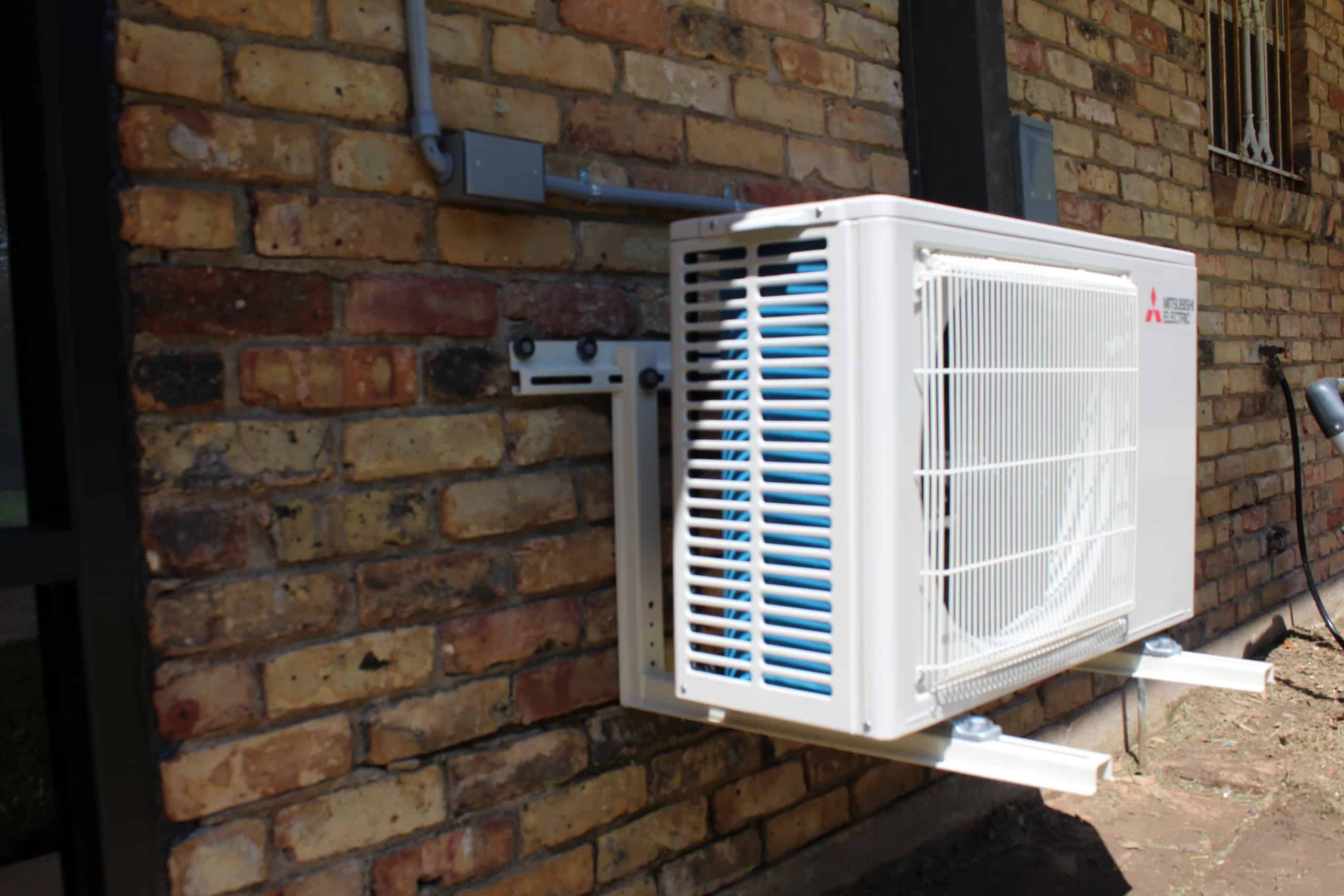
Ductless air conditioning systems, also known as split systems, mini-splits, or ductless mini-splits, are an innovative solution for cooling homes and businesses without requiring extensive ductwork. These systems consist of two main components: an outdoor compressor/condenser and one or more indoor air-handling units. They are connected by a conduit, which houses the power cable, refrigerant tubing, suction tubing, and a condensate drain, linking the outdoor and indoor units.
Unlike traditional air conditioning systems that require a network of ducts to distribute cool air throughout a building, ductless systems deliver air directly into different zones. This not only allows for a more efficient and targeted cooling approach but also provides a significant advantage in situations where installing ductwork is impractical or too costly.
One of the most appealing aspects of ductless air conditioning systems is their versatility. They can be installed in a variety of settings, from residential homes to commercial spaces, and are particularly useful in older buildings, extensions, or areas where ductwork is not feasible. Each indoor unit can be controlled independently, offering personalized comfort in different rooms or zones without cooling unoccupied spaces, leading to more efficient energy use and reduced utility costs.
Ductless systems are also known for their relatively quick and easy installation process. Since there’s no need to install or modify existing ductwork, the disruption to your home or business is minimal, and the installation can often be completed in a single day, depending on the complexity and number of units being installed.
Benefits of Ductless Air Conditioning
Ductless air conditioning systems offer a myriad of benefits that make them an attractive option for both homeowners and businesses. Understanding these advantages can help you appreciate why a ductless system might be the ideal choice for your cooling needs.
Energy Efficiency
One of the most significant benefits of ductless air conditioning systems is their energy efficiency. Traditional ducted systems can lose energy through leaks and gaps in the ductwork, leading to increased utility bills. Ductless systems, however, deliver air directly into each zone, minimizing energy loss and allowing for more precise temperature control. This efficiency not only reduces your carbon footprint but also translates into substantial savings on energy bills over time.
Space Saving and Aesthetic Advantages
Ductless systems require much less space than traditional HVAC systems. The indoor units are compact and can be mounted on walls, ceilings, or even flush into a drop ceiling, making them less intrusive and preserving the aesthetic appeal of your space. With various styles available, ductless units can seamlessly integrate into any décor, from modern to traditional.
Flexibility in Cooling
The ability to control temperatures in individual zones is perhaps the most appreciated feature of ductless air conditioning systems. Each indoor unit operates independently, allowing you to cool only the used areas. This zoned cooling capability not only enhances comfort by allowing occupants to set their preferred temperatures but also avoids the energy waste associated with cooling unoccupied spaces.
Improved Air Quality
Ductless systems often come with multi-stage filtration that reduces dust, bacteria, pollen, allergens, and other particulates in the air. Since there are no ducts to collect and distribute dust and allergens, the air quality inside your home or business can be significantly better than with traditional ducted systems.
Quick and Easy Installation
The installation of ductless air conditioning systems is generally quicker and less invasive than that of traditional systems. Without the need for ductwork, the process involves minimal structural modification to your property. This not only speeds up the installation process but also reduces the cost and inconvenience associated with it.
In summary, ductless air conditioning systems provide a highly efficient, flexible, and aesthetically pleasing cooling solution. Their energy efficiency, coupled with the ability to offer personalized comfort and improved air quality, makes them an excellent choice for a wide range of applications. Whether you’re retrofitting an older home, adding a new room, or seeking an efficient alternative to traditional cooling systems, ductless AC units can meet your needs with style and efficiency.
Factors Influencing Ductless Air Conditioning Costs
Understanding the costs associated with ductless air conditioning systems requires a look at the various factors that influence the overall investment. These factors can significantly affect the price, making it important for homeowners and businesses to consider them when planning for installation.
Installation Complexity
The complexity of the installation is a primary factor that can affect the cost. Factors such as the type of building, the number of indoor units required, and the distance between the outdoor and indoor units can all play a role. For instance, installations that require running the conduit through complex structures or over longer distances may increase the cost due to the additional labor and materials needed.
Number of Units and Zones
The cost of a ductless air conditioning system scales with the number of indoor units and the zones that need cooling. A single-zone system with one indoor and one outdoor unit will be less expensive than a multi-zone system that requires several indoor units to cool different areas of a home or business. Each additional indoor unit adds to the cost, not only for the unit itself but also for the installation.
Brand and Technology
The brand and technology of the ductless system also influence the price. Higher-end brands often come with a higher price tag but may offer advanced features such as better energy efficiency, quieter operation, and longer warranties. Additionally, newer technologies, like Wi-Fi connectivity and smart home integration, can add to the cost but offer enhanced convenience and control over the system.
Energy Efficiency
The energy efficiency of a ductless air conditioning system is denoted by its SEER (Seasonal Energy Efficiency Ratio) rating. Systems with higher SEER ratings are more efficient and, while they may have a higher upfront cost, can lead to greater savings on energy bills over time. Investing in a high-efficiency system can be cost-effective in the long run, especially in climates where the air conditioner is used extensively.
Additional Features
Extra features such as programmable thermostats, remote controls, and air purification systems can also affect the overall cost of a ductless air conditioning system. While these features enhance comfort and convenience, they require additional investment upfront.
It’s important to consider these factors when budgeting for a ductless air conditioning system. By understanding the elements that influence the cost, you can make more informed decisions about which system is right for your needs and how to allocate your budget effectively. Consulting with professionals can provide insights into the best options for your specific situation, ensuring that you invest in a system that offers the best balance of performance, efficiency, and cost.
Average Costs of Ductless Air Conditioning Systems
The investment in a ductless air conditioning system varies widely based on several factors, including those previously discussed. To help you navigate the cost landscape, let’s explore the average costs you might expect when considering the installation of a ductless AC system.
Initial Purchase and Installation Costs
The initial cost of a ductless air conditioning system primarily includes the purchase of the system itself and the installation fees. On average, for a single-zone ductless air conditioning system, homeowners might expect to spend between $3,000 and $5,000. This range can cover a basic setup with one outdoor compressor and one indoor unit, along with standard installation.
For multi-zone systems, which can cool several rooms or areas, the costs can significantly increase. A system with multiple indoor units can range from $6,000 to $10,000 or more, depending on the number of zones, the complexity of the installation, and the system’s specifications. High-end models with advanced features like higher SEER ratings, smart technology integration, and superior aesthetics can push the higher end of this range even further.
Factors Influencing Cost
Complexity of Installation: Complex installations that require additional construction work, such as drilling through concrete walls or running extensive conduit, can increase the overall cost.
Brand and Model: Premium brands and models with higher efficiency ratings or advanced features typically command higher prices.
Number of Zones: Each additional indoor unit increases the cost, not just for the unit itself but also for the installation labor and materials needed.
Local Climate and Usage: In areas with extreme temperatures, opting for a system with a higher capacity and efficiency rating might be necessary, affecting the cost.
Long-term Operating Costs
While the upfront costs are an important consideration, it’s also crucial to factor in the long-term operating costs. Ductless air conditioning systems with higher SEER ratings may have a higher initial price but can offer significant savings on energy bills over time. The efficiency of these systems can reduce the cost of cooling your home or business, making them a cost-effective choice in the long run.
Additionally, maintenance costs should be considered. Regular maintenance is essential for keeping a ductless system running efficiently. Although ductless systems typically require less maintenance than traditional systems, periodic check-ups and cleanings will ensure optimal performance and longevity, contributing to the overall cost-effectiveness of the system.
Additional Costs to Consider for Ductless Air Conditioning Systems
While the initial purchase and installation costs make up a significant portion of the investment in a ductless air conditioning system, several other expenses should be considered to fully understand the total cost of ownership. These additional costs can impact the long-term value and efficiency of your system.
Installation Costs
The complexity of the installation process can vary greatly depending on your specific situation, potentially adding to the overall cost. For example, if the installation requires significant electrical upgrades, additional construction work, or the installation of multiple indoor units across different rooms or floors, the costs can increase accordingly. It’s essential to get a detailed quote from your installer that includes all potential installation-related expenses.
Maintenance Costs
Regular maintenance is crucial for ensuring the efficiency and longevity of your ductless air conditioning system. While ductless systems generally require less maintenance than traditional HVAC systems, annual check-ups by a professional are recommended. These check-ups can include cleaning filters, checking refrigerant levels, and ensuring all components are functioning correctly. The cost of annual maintenance can vary, but budgeting for this expense will help keep your system running smoothly and efficiently for years to come.
Repair Costs
Although ductless air conditioning systems are known for their reliability, repairs may be necessary over time. Factors such as the system’s age, usage patterns, and whether it has been regularly maintained can influence repair needs and costs. Common repairs might include fixing refrigerant leaks, replacing malfunctioning components, or addressing issues with the electrical connections. While warranty coverage can offset some repair costs, it’s wise to consider the potential for out-of-warranty expenses when calculating the total cost of ownership.
Energy Costs
One of the primary benefits of ductless air conditioning systems is their energy efficiency, which can lead to lower energy bills compared to traditional HVAC systems. However, the actual savings will depend on various factors, including the system’s SEER rating, the climate in your area, and your usage habits. Choosing a system with a high SEER rating can result in more significant savings over time, but it’s important to balance the upfront cost with the anticipated energy savings.
Rebates and Incentives
To encourage the adoption of energy-efficient cooling solutions, many utility companies, governments, and manufacturers offer rebates and incentives for ductless air conditioning systems. These programs can provide substantial savings on the initial purchase and installation costs. Researching available rebates and incentives in your area and factoring these into your budget can significantly reduce the overall investment required.
In summary, while ductless air conditioning systems offer numerous benefits, including improved energy efficiency and flexible cooling options, it’s important to consider all related costs. By accounting for installation, maintenance, repair, and energy costs, as well as exploring potential rebates and incentives, you can make a more informed decision about the suitability and affordability of a ductless system for your needs.
Financing and Rebates for Ductless Air Conditioning Systems
Investing in a ductless air conditioning system can be a significant financial decision. However, various financing options and rebates are available to make it more affordable. Understanding these financial aids can help you manage the costs and make an energy-efficient upgrade to your home or business without straining your budget.
Financing Options
Many HVAC companies, including ours, offer financing options to spread the cost of a ductless air conditioning system over time. These financing plans can vary, offering different terms and interest rates to fit a range of budgets. For instance, some plans may offer low interest rates or even interest-free periods for qualified buyers, making the initial investment more manageable. It’s essential to review the terms of these financing options carefully to ensure they align with your financial situation and goals.
Additionally, our website provides an Equipment Finance Calculator, allowing you to estimate your monthly payments based on the total cost of the system, the loan term, and the interest rate. This tool can be incredibly helpful in planning your budget and understanding how a ductless system can fit into your financial picture.
Rebates and Incentives
To encourage energy efficiency, various rebates and incentives are available from government entities, utility companies, and manufacturers. These programs can significantly reduce the upfront cost of purchasing and installing a ductless air conditioning system.
Government Rebates: Federal, state, or local governments often offer rebates for installing energy-efficient systems. These rebates can vary by location and time, so it’s important to research current offers in your area.
Utility Company Rebates: Many utility companies provide rebates for customers who install energy-efficient cooling systems, as these can reduce peak electricity demand. Check with your local utility provider to see what incentives they might offer.
Manufacturer Rebates: At certain times of the year, manufacturers may offer rebates on specific models or systems. These rebates can provide additional savings on top of any government or utility company incentives.
Taking advantage of these financing options and rebates can significantly reduce the financial burden of upgrading to a ductless air conditioning system. By exploring all available financial aids, you can invest in an efficient, cost-effective cooling solution that meets your needs and supports your financial well-being.
It’s also worth consulting with HVAC professionals who can provide guidance on the most cost-effective options and help you navigate the process of applying for rebates and financing. With the right planning and support, a ductless air conditioning system can be an attainable and smart investment in your comfort and your property’s value.
Choosing the Right Ductless Air Conditioning System
Selecting the right ductless air conditioning system for your home or business is crucial to ensure optimal comfort, efficiency, and value for your investment. With various options available, considering several key factors can help you make an informed decision that meets your specific needs. Here’s a guide to help you navigate the process:
Assess Your Cooling Needs
Room Size and Layout: The size and layout of the space you wish to cool significantly influence the type of system you’ll need. Larger areas or those with open layouts may require more powerful units or multiple indoor units to ensure even cooling.
Zoning Requirements: Consider whether you need to cool multiple zones independently. Ductless systems offer the flexibility to control temperatures in different areas separately, which can be a significant advantage for multi-room homes or businesses.
Local Climate: The climate in your area can affect the capacity and type of system you need. Areas with higher temperatures or humidity levels might require systems with higher cooling capacities and features tailored to handle such conditions efficiently.
Understand Efficiency Ratings
SEER Rating: The Seasonal Energy Efficiency Ratio (SEER) rating measures how efficiently a cooling system operates over a typical cooling season. A higher SEER rating indicates greater efficiency and lower energy costs in the long run. Opting for a system with a high SEER rating can be more cost-effective, especially in regions with prolonged cooling seasons.
Consider System Features
Advanced Features: Modern ductless systems come with various features, such as programmable thermostats, Wi-Fi connectivity for remote control, and air purification systems. While these features can enhance comfort and convenience, they can also affect the system’s cost. Prioritize the features that are most important to you and your comfort needs.
Brand Reliability: Research different brands and models to find those with the best reliability and customer satisfaction ratings. A reputable brand may offer a higher initial cost but can provide better durability, efficiency, and warranty coverage.
Evaluate Installation and Maintenance Services
Professional Installation: Proper installation is key to ensuring your ductless system operates efficiently and effectively. Choose a reputable HVAC contractor with experience in ductless system installation. We pride ourselves on providing expert installation services, ensuring your system is set up for optimal performance from day one.
Maintenance Plans: Regular maintenance is essential for maintaining efficiency and prolonging the life of your system. Consider our maintenance services, which can help keep your system running smoothly while preventing costly repairs down the line.
Financing and Rebates
Explore Financing Options: If upfront costs are a concern, explore financing options that can make the investment more manageable. We offer various financing solutions to help spread out the cost over time.
Look for Rebates: Take advantage of available rebates and incentives from manufacturers, utility companies, and government programs to reduce the initial cost of your system.
Choosing the right ductless air conditioning system involves careful consideration of your specific needs, the features and efficiency of the system, and the professional services available to support your investment. By taking these factors into account, you can select a system that provides the perfect balance of comfort, efficiency, and affordability.
Ready for Cool Comfort?
Elevate your living or working space with efficient, customizable cooling solutions from Beco Air & Heat. Explore our range of ductless air conditioning systems designed for every need and budget. Begin your journey to a cooler, more comfortable environment today. Contact us for expert advice and seamless installation services. Your ideal climate is just a call away! ☎️
Building a Successful Wine Cellar: A Comprehensive Guide to Design and Storage
At the heart of every wine enthusiast’s dream is a cellar that reflects a deep understanding of wine’s needs and a commitment to safeguarding its integrity. Whether you’re laying down a few bottles of your favorite vintage or curating an extensive collection spanning decades, the principles of proper wine storage remain the same. It’s about more than just maintaining a consistent temperature or controlling humidity; it’s about creating a sanctuary where each bottle can reach its fullest potential.
Understanding the Basics of Wine Storage
At the foundation of any successful wine cellar is a deep understanding of the critical factors that influence wine’s aging process. Wine is a living product that evolves over time, and its environment can either nurture this evolution or hinder it. To ensure your collection matures beautifully, achieving the depth and complexity wine enthusiasts covet, it’s essential to grasp the basics of wine storage. Here, we’ll explore the four pivotal elements: temperature, humidity, light, and vibration, and why getting these right is crucial for any wine cellar.
Temperature: The cornerstone of wine storage is maintaining a consistent temperature. The ideal range lies between 55°F and 58°F (13°C to 14°C). This steady environment prevents premature aging, ensuring the wine develops its full flavor profile. Fluctuations can cause the wine to expand and contract, potentially compromising the cork’s seal and allowing air to enter the bottle.
Humidity: Humidity levels are just as vital, with the optimal range being between 60% and 70%. This balance prevents corks from drying out, which could let air into the bottle, oxidizing the wine, and also stops mold growth that could damage labels and affect air quality. Proper humidity ensures the longevity of the wine’s quality and the integrity of its packaging.
Light: Wine is photosensitive, particularly white wines and sparkling varieties, which means that exposure to light can adversely affect its quality. UV rays from sunlight and even certain artificial lights can degrade wine, leading to what’s commonly known as a “light strike,” which affects the aroma and taste. A cellar should be designed to minimize light exposure, using controlled lighting that doesn’t emit UV rays.
Vibration: Minimizing vibration is often overlooked in wine storage. Constant movement can disturb the sediments in wine, disrupting the delicate aging process. A stable environment allows wines to age undisturbed, preserving their intricate flavors and ensuring they reach their peak.
Understanding and controlling these four factors in your wine cellar design is imperative for the longevity and enhancement of your wine collection. It’s not just about creating a storage space; it’s about crafting an ideal environment where your wines can age gracefully, developing the complex flavors and aromas that make each bottle unique.
As we delve deeper into designing your wine cellar, remember that these principles are the foundation upon which all other decisions should be based. Creating the perfect home for your wines is a journey that begins with understanding their needs ensuring that every bottle you treasure is given the chance to reach its full potential.
Designing Your Wine Cellar: Planning and Considerations
Embarking on the journey to design your wine cellar is an exciting venture that marries functionality with aesthetic appeal. This space is not just a storage area but a sanctuary for your collection, where every detail contributes to the preservation and aging of your wines. Thoughtful planning and careful consideration of several key aspects will ensure your cellar not only meets your current needs but also adapts to your collection as it grows. Let’s explore the essential steps and considerations in designing a wine cellar that is both beautiful and practical.
1. Choosing the Right Location
The first step in designing your wine cellar is selecting the ideal location within your home or business. Basements are often favored for their natural coolness and stability, but any space can be transformed with the right conditions. Consider the proximity to sources of heat or vibration and aim for a space that naturally leans towards the cooler, quieter side of the spectrum.
2. Insulation and Vapor Barriers
Proper insulation is critical to maintaining a consistent environment. A well-insulated cellar helps keep the temperature and humidity levels stable, protecting your wines from external fluctuations. Vapor barriers are equally important to prevent moisture from seeping in or out, ensuring the longevity of your cellar’s structure and the preservation of your wines.
3. Efficient Wine Cellar Cooling Systems
The heart of your wine cellar’s climate control is an efficient cooling system designed to maintain the optimal temperature and humidity for wine storage. From ductless AC units to custom wine cellar cooling units, selecting the right system is crucial for creating the ideal conditions for your collection.
4. Wine Cabinets, Shelving and Storage Solutions
The design of your shelving and storage solutions should cater not only to the size and shape of your collection but also to the ease of access and organization. Customizable racks that accommodate different bottle sizes, display areas for showcasing prized wine bottles, and consideration for future expansion are all important aspects of your cellar’s design.
5. Lighting and Aesthetics
The lighting in your wine cellar should illuminate your collection without exposing it to harmful UV rays. LED lights are a popular choice for their low heat and absence of UV emissions. Aesthetically, your cellar should reflect your personal style while providing a functional space that highlights your wines. Materials like wood and metal can be combined to create a classic or modern look, and features like glass doors can add a touch of elegance.
Designing your wine cellar is a process that blends practicality with personal expression. It’s an opportunity to create a space that not only optimizes the storage and aging of your wines but also enhances the enjoyment and appreciation of your collection. With the right planning and consideration of these key aspects, your wine cellar will serve as a testament to your passion for wine and a focal point of beauty in your home or business.
The Role of Climate Control in Wine Preservation
The cornerstone of any successful wine cellar is its climate control system. This system does more than merely regulate temperature; it ensures the longevity and vitality of your wine collection by meticulously balancing temperature and humidity. Understanding the role of climate control in wine preservation is crucial for anyone looking to create an optimal environment for their collection. Here, we delve into why climate control is paramount and how to achieve the perfect conditions for storing and aging your wines.
Temperature Stability
The ideal temperature for storing wine is between 55°F and 58°F (13°C to 14°C). This range is crucial for slowing down the aging process, allowing the wine to develop complexity and character over time. Temperature fluctuations can accelerate aging or even damage the wine, so a stable environment is key. Modern climate control systems are designed to maintain this narrow temperature range, ensuring your collection matures at the desired pace.
Humidity Control
Equally important is the control of humidity. The optimal humidity level for a wine cellar is between 60% and 70%. This range helps keep corks in good condition, preventing them from drying out or becoming too moist, which could lead to oxidation or contamination of the wine. Advanced climate control systems can monitor and adjust humidity levels, providing the perfect balance to protect labels and stoppers alike.
Integration with Design
Incorporating a climate control system into your wine cellar design doesn’t mean sacrificing aesthetics for functionality. Today’s systems are sleek, efficient, and can be seamlessly integrated into the design of your cellar, ensuring that they maintain the ideal conditions without intruding on the space’s visual appeal. Whether you opt for a ductless AC unit, a split system, or a specialized wine cellar conditioner, there are options to suit every style and size of cellar.
Technological Advancements
With advancements in technology, climate control systems now offer more than just temperature and humidity management. Many systems include features like remote monitoring and control, allowing you to adjust settings and check conditions from your smartphone or computer. This level of control ensures that you can maintain the perfect environment for your wines, even when you’re away.
The Importance of Hiring Cellar Experts
To achieve the best results, it’s crucial to work with professionals who understand the unique requirements of wine cellar climate control. Expert wine cellar installation ensures that your system is correctly sized and configured for your space, providing efficient and reliable performance. Additionally, professionals can offer valuable advice on maintaining your system to ensure it continues to operate effectively, safeguarding your collection for years to come.
Climate control is more than just a feature of your wine cellar; it’s the guardian of your wine’s quality and longevity. By investing in the right system and ensuring it’s properly integrated and maintained, you can rest assured that your collection will age gracefully, developing the depth and nuances that make each bottle a treasure.
Maintenance Tips for Your Wine Cellar
Creating the perfect wine cellar is a significant achievement for any wine enthusiast, but maintaining it is equally crucial for the longevity and quality of your collection. Regular maintenance ensures that your cellar remains a pristine environment where your wines can age gracefully. Here are essential maintenance tips to keep your wine cellar in optimal condition, preserving the essence of every bottle stored within its confines.
Regular Inspection of Cooling Systems
The climate control system is the lifeline of your wine cellar, maintaining the delicate balance of temperature and humidity necessary for wine preservation. Regularly inspect and service your cooling unit to ensure it operates efficiently. This includes cleaning filters, checking for consistent temperature readings, and ensuring there are no leaks or unusual noises. A well-maintained cooling system prevents fluctuations that can harm your wine.
Monitoring Humidity Levels
While your cooling system plays a part in regulating humidity, additional measures may be necessary to maintain the ideal range. Use a hygrometer to monitor humidity levels, and consider integrating a humidifier or dehumidifier if you observe persistent deviations from the 60-70% ideal range. Consistent humidity is key to preventing cork dryness or mold growth, both of which can compromise your wine’s quality.
Dust and Clean Regularly
Dust and grime can accumulate over time, not just affecting the aesthetic appeal of your cellar but potentially impacting air quality and cooling efficiency. Regular dusting of bottles and racks, along with gently cleaning the cellar’s surfaces, ensures a clean environment. Be cautious with cleaning agents near your wines; opt for natural, non-abrasive cleaners to avoid introducing harmful substances.
Vibration Control
Ensure that your wine cellar remains a no-vibration zone. Check that the cooling system and any other equipment are securely mounted and operating smoothly to minimize disturbance. Additionally, avoid placing heavy foot traffic areas above or adjacent to the cellar to preserve the sedimentation process within each bottle.
Pest Control
A well-sealed wine cellar should prevent most pest issues, but regular checks for signs of insects or rodents are prudent. Ensure that doors and entry points are well sealed and inspect for any gaps or cracks that could become entryways for pests. Keeping the cellar clean and free of food debris also discourages unwanted visitors.
Seasonal Adjustments
Depending on your climate, seasonal changes may necessitate adjustments to your cooling and humidification systems. Be proactive in adapting to these changes to ensure your cellar remains within the ideal conditions year-round.
Maintaining your wine cellar is an ongoing commitment that pays dividends in the preservation and aging of your wine. Regular attention to these aspects ensures that your cellar remains a stable, efficient, and beautiful environment dedicated to the art of wine collecting. By adhering to these maintenance tips, you ensure that each bottle in your collection has the opportunity to reach its full potential, providing you and your guests with unparalleled wine experiences for years to come.
Innovative Technologies and Trends in Wine Cellar Design
As the appreciation for wine continues to grow, so does the desire for innovative wine cellars that not only store wine under optimal conditions but also enhance the aesthetic and interactive experience of collecting. Advances in technology and shifts in design trends are shaping the future of custom wine cellars, making them more accessible, efficient, and visually stunning than ever before. Here, we delve into the latest innovations and trends that are redefining wine storage, offering both seasoned wine collectors and novices alike new ways to enjoy their passion for wine.
Smart Climate Control Systems
The evolution of climate control technology has led to the development of smart systems that allow for precise management of temperature and humidity in wine cellars. These systems can be monitored and adjusted remotely via smartphone apps, providing peace of mind and convenience. Integration with home automation systems means that keeping your wine in its optimal condition is just a touch away.
LED Lighting Solutions
Modern wine cellars are embracing LED lighting for its energy efficiency and minimal heat output. Advances in LED technology offer a spectrum of color temperatures and intensities, which can be customized to highlight the labels and contours of bottles without risking exposure to UV light. Programmable lighting scenes can transform the ambiance of the cellar at the push of a button, creating a dynamic environment for showcasing your collection.
Innovative Storage and Display Options
Today’s wine racks go beyond functionality, becoming statement pieces that reflect personal style and the unique character of each collection. Modular systems offer flexibility in design, accommodating various bottle sizes and allowing for easy expansion. Materials such as reclaimed wood, metal, and acrylic are being combined in creative ways, offering both traditional and contemporary aesthetics.
Focus on Sustainability
Eco-friendly materials and practices are increasingly important in wine cellar design. Sustainable options, such as bamboo flooring and LED lighting, reduce the environmental footprint of your cellar. Additionally, energy-efficient cooling units not only lower operating costs but also support a more sustainable approach to wine storage.
Multifunctional Spaces
Wine cellars are becoming more than just storage spaces; they are evolving into social hubs where enthusiasts can gather to taste and enjoy their collections. Features like tasting tables, seating areas, and integrated entertainment systems make wine cellars a central part of the home, designed for sharing and socializing.
Seamless Integration
As wine collecting appeals to a broader audience, the demand for wine storage solutions that blend seamlessly into living spaces is rising. Custom-built units that match the home’s décor, concealed doorways, and under-stair wine cellars are just a few ways that modern design is integrating wine storage into everyday living areas.
The intersection of technology and design in wine cellar development makes it easier and more enjoyable to collect and enjoy wine. These innovations not only ensure that wines are preserved in the best possible conditions but also elevate the experience of wine collecting to new heights. As we continue to explore the possibilities, the future of wine cellars looks both bright and incredibly inviting.
Embrace Your Wine Journey with Us ✨
Elevate your wine collection into an art form with Beco Air & Heat. Let us guide you in creating the perfect cellar, blending innovative design with unmatched expertise. Begin a journey where every bottle tells a story, and every sip is a testament to excellence. Contact us today, and let’s turn your wine dreams into reality.
Furnace Repair: Why Your Furnace is Blowing Cold Air
Is your furnace unexpectedly blowing cold air, leaving you shivering in the winter chill? You’re not alone. Understanding the reasons behind this issue can help you diagnose the problem swiftly and restore warmth to your home. In this comprehensive guide, we will delve into seven common culprits behind Furnace Repair and provide practical solutions to help you tackle the issue effectively.
1. Dirty or Clogged Air Filter:
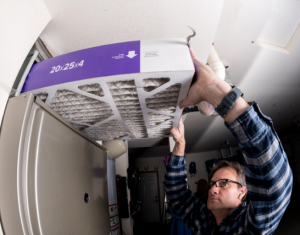
One of the most common reasons for a furnace blowing cold air is a dirty or clogged air filter. When airflow is obstructed, your furnace struggles to produce warm air. The solution? Regularly check and replace your air filter every 1-3 months to ensure optimal airflow and efficient heating.
2. Thermostat Malfunction:
A faulty thermostat can miscommunicate with your furnace, leading to temperature discrepancies. Check the thermostat settings, change the batteries, and if the problem persists, consider professional inspection and repair.
3. Pilot Light or Ignition Issues:
If your furnace uses a pilot light or an electronic ignition system, issues with these components can cause cold air circulation. A malfunctioning pilot light might need cleaning or repositioning, while ignition problems may require professional repair or replacement.
4. Faulty Flame Sensor:
A malfunctioning flame sensor can shut down your furnace as a safety precaution, preventing the production of warm air. Cleaning the sensor or replacing it, if damaged, can resolve this issue and restore your furnace’s functionality.
5. Blower Motor Problems:
The blower motor is responsible for circulating warm air throughout your home. If it malfunctions, the furnace might blow cold air or no air at all. Lubrication, cleaning, or replacement of the blower motor can solve this problem.
6. Ductwork Issues:
Leaky or poorly insulated ducts can lead to heat loss, causing your furnace to work harder and blow cold air. Inspect your ducts for any gaps or damage, and consider professional duct sealing or insulation to enhance efficiency.
7. Gas Supply Problems:
For gas Furnace Repair, a disruption in the gas supply can hinder the heating process, resulting in cold air blowing from vents. Check for gas leaks, ensure the gas valve is open, and contact a professional if you suspect gas supply issues.
Conclusion: Experiencing a furnace blowing cold air can be frustrating, but with the right knowledge, you can troubleshoot and resolve these issues effectively. Regular maintenance and prompt professional assistance can ensure your furnace operates efficiently, keeping your home warm and comfortable. Don’t let the cold linger – address the problem today and enjoy a cozy, well-heated home.
Remember, if you encounter persistent issues, it’s always best to consult with a qualified HVAC technician to diagnose and repair your furnace effectively. Stay warm and comfortable throughout the winter with a properly functioning furnace!
Key Tips for Furnace Care
Prepare Your Furnace for Dallas-Fort Worth Winters with Beco Air and Heat!
Dallas-Fort Worth locals know that chilly weather can strike unexpectedly. Don’t get caught in the cold – ensure your furnace is up to the task! At Beco Air and Heat, we understand the importance of a reliable heating system. Our expert services not only keep your home cozy but also extend the life of your furnace, saving you from costly repairs and utility bills.
Key Tips for Furnace Care:
Regular Air Filter Changes: A clean filter ensures efficient furnace operation. Replace it every three months to prevent overheating and motor failure.
Upgrade to a Programmable Thermostat: Save money and enhance your furnace’s lifespan by installing a programmable or smart thermostat. Optimize heating when you need it and reduce the load on your system when you don’t.
Timely Furnace Repairs: Don’t ignore minor issues like a yellow pilot light or a faulty fan switch. Swift repairs prevent extensive damage and potential premature replacements.
Schedule Annual Furnace Maintenance: Our expert technicians perform thorough tune-ups, replacing filters, lubricating fan bearings, and cleaning burners. Regular maintenance ensures reliability, energy efficiency, and reduced wear and tear.
Reduce Furnace Load: Enhance your furnace’s longevity by minimizing its workload. Unblock vents, use ceiling fans to circulate warm air, upgrade insulation, seal windows and doors, and fix leaky ductwork.
When winter knocks on your door in the Dallas-Fort Worth area, you want to make sure your home stays warm and cozy. Beco Air and Heat is your trusted partner in ensuring your furnace is ready to face the chill. With our expert services, you can confidently navigate the colder months, knowing your heating system is in top-notch condition.
Why Choose Beco Air and Heat?
At Beco Air and Heat, we take pride in our decades of experience and unmatched expertise in furnace maintenance and repairs. Our dedicated team of technicians is committed to providing you with exceptional service, ensuring your furnace functions efficiently, saving you from unexpected breakdowns and high utility bills.
Join our exclusive Beco Club Membership by dialing 817-921-3724 and unlock a world of advantages designed to keep your furnace performing at its best. As a member, you gain access to our priority scheduling, ensuring you receive swift and efficient service whenever you need it. Plus, enjoy a 10% discount on all repairs, helping you save on potential future expenses.
One of the standout benefits of our Beco Club Membership is the lifetime repair guarantee. We stand by the quality of our work, ensuring that your furnace repairs are not just temporary fixes but long-lasting solutions. With this guarantee, you can have peace of mind, knowing that your furnace is in the hands of experts who prioritize durability and reliability.
Our members also enjoy exclusive members-only specials, providing you with additional savings and unique offers tailored to your heating needs. Being a part of the Beco Club means you’re not just a customer; you’re a valued member of our extended family.
More Than Just Maintenance: Beco Air and Heat Delivers Exceptional Service
When you choose Beco Air and Heat, you’re choosing more than just a service provider; you’re choosing a reliable partner dedicated to your comfort. Our comprehensive furnace maintenance goes beyond the basics, addressing every aspect of your heating system to ensure optimal performance.
With our expertise, your furnace will run more reliably, consume less energy, and experience minimal wear and tear. We understand the unique heating needs of the Dallas-Fort Worth community, and our services are tailored to cater to the specific challenges posed by the local climate.
Don’t Wait, Secure Your Comfort Today!
Don’t wait for the cold weather to catch you off guard. Join the Beco Club Membership and experience the peace of mind that comes with knowing your furnace is in the hands of seasoned professionals. Dial 817-921-3724 now to enroll and ensure your home stays warm and comfortable throughout the winter season.
Choose Beco Air and Heat – where expertise meets excellence, and your comfort is our top priority!
Government’s Impact on Energy Efficiency Regulations: A Closer Look
Government’s Impact on Energy Efficiency Regulations: A Closer Look
In the intricate web of home management, your HVAC system stands as a stalwart guardian, ensuring your abode remains a haven of comfort in all seasons. Behind its seamless functioning, however, lies the nuanced interplay of government policies. In this detailed exploration, we will delve deep into the multifaceted relationship between the US government, Energy Efficiency Regulations and your HVAC system. By understanding the pros, cons, and the path forward, you can make informed decisions, ensuring not only your comfort but also contributing to a sustainable future.
Pros:
1. Energy Efficiency Regulations: Enhancing Performance
Energy efficiency regulations are the cornerstone of modern HVAC systems. Government-imposed energy efficiency standards serve as the guiding light, compelling manufacturers to innovate. This innovation results in systems that offer optimal performance while consuming less energy, translating into lower utility bills for consumers. As a homeowner, you benefit from these standards through reduced operational costs and a decreased environmental footprint.
In addition to cost savings, these standards promote technological advancements. HVAC systems are now equipped with smart features, allowing for precise temperature control and automation. This not only enhances your comfort but also reduces unnecessary energy consumption, fostering a greener environment.
2. Tax Incentives and Rebates: Financial Benefits for Consumers
Governments, both at the federal and state levels, recognize the need to encourage the adoption of energy-efficient HVAC systems. To incentivize consumers, various tax benefits and rebates are offered to systems that meet Energy Efficiency Regulations. These financial incentives significantly reduce the initial investment required for upgrading to energy-efficient systems. By leveraging these incentives, homeowners can make environmentally conscious choices without straining their budgets.
The financial benefits extend beyond the installation phase. Energy-efficient HVAC systems continue to provide long-term savings on utility bills. Consequently, the return on investment becomes not just a monetary gain but a sustainable lifestyle choice.
3. Environmental Regulations: Protecting the Planet and Public Health
Environmental conservation is a global imperative, and HVAC systems have a role to play. Government regulations ensure the responsible use and disposal of refrigerants, preventing the release of harmful substances into the atmosphere. By adhering to these regulations, HVAC systems contribute significantly to preserving the ozone layer and mitigating climate change.
Furthermore, these regulations safeguard public health. Proper disposal methods prevent contamination of soil and water sources, ensuring a cleaner, healthier environment for communities. Through stringent enforcement, the government ensures that your HVAC system not only keeps your home comfortable but also protects the broader ecosystem.
4. Research and Development: Driving Technological Advancements
Energy Efficiency Regulations Government funding in research and development (R&D) has a catalytic effect on the HVAC industry. These investments drive innovation, leading to the creation of cutting-edge technologies. Smart HVAC controls, geothermal heating systems, and sustainable cooling solutions are a few examples of R&D-driven advancements.
Technological innovations not only enhance the efficiency of HVAC systems but also pave the way for eco-friendly practices. Smart thermostats, for instance, optimize energy usage based on occupancy patterns, reducing unnecessary heating or cooling. By embracing these advancements, homeowners actively participate in the collective effort to combat climate change.
Cons:
1. Initial Costs: Higher Investment for Energy-Efficient Systems
While the benefits of energy-efficient HVAC systems are undeniable, the initial costs can be a deterrent for some homeowners. High-efficiency systems, although promising long-term savings, often come with a higher price tag during the installation phase. This upfront investment can strain budgets, particularly for households with limited financial flexibility.
However, it’s essential to view this as an investment rather than an expense. The initial higher cost is offset by reduced utility bills and potential tax savings. Homeowners must weigh the long-term financial benefits against the immediate financial strain to make an informed decision.
2. Complexity: Navigating Regulations Can Be Challenging
Navigating the labyrinth of government regulations can be daunting. Eligibility criteria for tax incentives and rebates vary, and understanding the specifics can be challenging for the average homeowner. Additionally, compliance with local building codes adds another layer of complexity, requiring meticulous attention to detail during HVAC system installation or upgrades.
The complexity is further compounded by the evolving nature of regulations. Staying abreast of the latest changes and ensuring compliance demands time and effort. Homeowners often find themselves in a position where the desire to adopt energy-efficient solutions clashes with the intricacies of bureaucratic processes.
3. Limited Scope: Regulations Vary Across States and Localities
The United States is a vast tapestry of states and localities, each with its regulations and policies. While federal standards provide a broad framework, there is significant variability at the regional level. Some states offer generous incentives, while others have limited programs. Disparities in regulations can lead to unequal access to energy-efficient solutions, leaving some communities underserved in the quest for sustainable living.
This lack of uniformity raises concerns about the accessibility and affordability of energy-efficient HVAC systems. It highlights the need for a cohesive, nationwide approach to ensure that all homeowners have equal opportunities to embrace eco-friendly technologies.
Conclusion: Striking a Balance for a Sustainable Future
In the complex landscape of HVAC systems and government influence, finding a balance is paramount. The government’s role in promoting energy efficiency, offering financial incentives, and enforcing environmental regulations is undeniably crucial. However, the challenges posed by initial costs, regulatory complexities, and regional disparities cannot be ignored.
As a homeowner, staying informed is the first step toward navigating this intricate terrain. Researching available incentives, understanding local regulations, and consulting professionals can empower you to make informed decisions. Advocacy for uniform regulations and increased accessibility to incentives is vital for fostering a sustainable future.
While challenges exist, they are not insurmountable. With determination, education, and collective effort, homeowners can embrace energy-efficient HVAC systems without compromising their financial stability. By striking a balance between the pros and cons, you not only enhance your home’s comfort and efficiency but also contribute meaningfully to the global movement toward a greener, more sustainable tomorrow.
What is Emergancy Heat?
As the cold season descends upon us, maintaining a warm and cozy home becomes a top priority. Many homeowners have heard of “emergency heat” but aren’t entirely sure about what it is and when it should be used. In this comprehensive guide, we will unravel the concept of emergency heat, providing you with all the essential information you need to keep your home comfortable during the frigid winter months. From understanding the basics to practical tips, we’ve got you covered.
Emergency heat is a setting on your heating system that serves as a backup to maintain warmth in your home during extremely cold conditions or when your primary heating method struggles to keep up. It ensures your home stays comfortably warm even when your regular heating system is under stress.
How Does Emergency Heat Work?
Emergency heat typically involves the use of auxiliary heating methods, such as electric resistance heating or gas furnaces, to provide an extra boost of warmth. It acts as a safety net, kicking in when your primary heating system is unable to cope with the cold.
When to Use Emergency Heat?
Determining when to use emergency heat is crucial for efficient heating and preventing potential damage to your heating system. Key indicators include extremely cold weather, heat pump struggles, frost or ice accumulation, inadequate heating, and unusually high energy bills.
Types of Heating Systems and Emergency Heat
Different heating systems, including furnaces, heat pumps, boilers, and radiant heating, incorporate emergency heat differently. Understanding how emergency heat functions in your specific system is essential for proper utilization.
Signs You Need to Activate Emergency Heat
In this section, we explore the common signs that indicate the need to activate emergency heat, helping you to react promptly to maintain a comfortable indoor temperature.
How to Activate Emergency Heat
We provide step-by-step instructions on how to activate emergency heat for various heating systems, including furnaces and heat pumps, ensuring you can stay warm effectively.
Efficiency and Cost Considerations
While emergency heat is a valuable resource, it comes at a cost. This section delves into the energy efficiency of emergency heat and offers insights into how to manage the associated expenses.
Alternative Emergency Heating Sources
Sometimes, homeowners may need to look beyond their primary heating system for emergency heat. We explore alternative sources, including space heaters, wood-burning stoves, fireplaces, portable electric heaters, and home insulation.
Tips for Efficient Emergency Heating
To make the most of your emergency heat, this section provides a range of practical tips, from regular maintenance and insulation to using space heaters efficiently and seeking professional help when necessary.
This comprehensive guide aims to equip you with all the information you need to understand, activate, and optimize emergency heat in your home, ensuring that you stay warm and comfortable even during the harshest winter conditions.
As you continue reading, we’ll delve deeper into each of these sections, providing valuable insights and actionable tips to enhance your knowledge of emergency heat.
What is Emergency Heat?
Emergency heat, also known as auxiliary heat, is a feature built into many heating systems to provide additional warmth when the primary heating source struggles to maintain the desired indoor temperature. This setting can be found in various heating systems, including furnaces, heat pumps, and electric heating systems. It is a crucial component for ensuring home comfort during extreme cold spells.
How Does Emergency Heat Work?
When you activate emergency heat, your heating system switches from the primary heat source to an auxiliary heat source. This auxiliary heat source is typically electric resistance heating or a gas furnace. Electric resistance heating is commonly used in heat pumps as a supplementary heating method when the heat pump’s efficiency declines in very cold conditions.
How Does Emergency Heat Work?
Understanding how emergency heat works is essential for homeowners. In most cases, emergency heat involves the use of auxiliary heating elements, which can vary depending on your heating system. Here’s how it works in different systems:
Emergency Heat in Furnaces:
Furnaces are common in many homes and often use natural gas or oil as their primary heat source. In extremely cold weather, furnaces may struggle to maintain indoor temperatures. To overcome this challenge, emergency heat in a furnace usually involves an auxiliary heating element, such as electric resistance heating. This element kicks in to supplement the primary heat source, ensuring your home remains warm.
Emergency Heat in Heat Pumps:
Heat pumps are renowned for their energy efficiency, but they can become less effective in very cold weather. When the outdoor temperature drops significantly, the heat pump may activate its emergency heat mode, which utilizes electric resistance heating. This supplementary heat source provides additional warmth, compensating for the heat pump’s reduced efficiency.
When to Use Emergency Heat?
Knowing when to activate emergency heat is vital for effective heating and preventing potential damage to your system. Here are some signs that it’s time to use emergency heat:
Extremely Cold Weather: Emergency heat becomes necessary when the outside temperatures drop significantly, making it challenging for your primary heating source to maintain the desired indoor temperature.
Heat Pump Struggles: If you have a heat pump, you may notice that it struggles to provide adequate heat when the weather gets exceptionally cold. This is a clear indication that emergency heat should be activated.
Frost or Ice Accumulation: If you observe frost or ice accumulating on the heat pump unit or around the outdoor unit, it’s a sign that the heat pump may not be operating efficiently. Activating emergency heat can help in such situations.
Inadequate Heating: If your home is not getting warm enough despite your heating system running continuously, it’s time to consider using emergency heat.
Unusually High Energy Bills: A sudden spike in your energy bills, especially during cold weather, can be a sign that your heating system is working overtime and may need the support of emergency heat.
Knowing these signs and acting accordingly can help you maintain a comfortable and warm home during the winter months.
Types of Heating Systems and Emergency Heat
Different heating systems utilize emergency heat in unique ways. Let’s explore how emergency heat functions in various systems:
Emergency Heat in Furnaces:
Furnaces are one of the most common heating systems, often powered by natural gas or oil. During extremely cold conditions, these furnaces may struggle
Wine Cellar Repair and Maintenance
Wine Cellar Repair and Maintenance
Welcome to Beco Air and Heat, your trusted partner in Wine Cellar Repair and Maintenance.
If you’re in search of top-notch wine cellar refrigeration service, cellar repair, or installation, you’ve come to the right place. In this comprehensive guide, we’ll delve into all aspects of wine cellar refrigeration equipment, covering repair, maintenance, and installation. Whether you’re a wine connoisseur or a business owner with a prized wine collection, our expertise will ensure your wine cellar remains at the perfect temperature and humidity.
Before we dive into the world of wine cellar refrigeration services, let’s start by understanding the fundamental components of wine cellar refrigeration equipment.
1.1 Cooling Units: These are the heart of wine cellar refrigeration systems, responsible for regulating temperature and humidity. There are two primary types:
Self-Contained Units: These units are all-in-one, compact systems that can be installed through a wall or ceiling. (Beco Air and Heat does not offer service or installation of Self-Contained Units)
Split Systems: Split systems consist of separate evaporator and condenser units, providing more flexibility in installation.
1.2 Ducting: Proper ducting ensures that cooled air is distributed evenly throughout the wine cellar, preventing temperature variations and ensuring optimal wine aging conditions.
Chapter 2: Wine Cellar Refrigeration Repair
2.1 Common Wine Cellar Refrigeration Problems
If you’re facing issues with your wine cellar cooling system, you might be searching for keywords like “wine cellar cooling repair,” “wine cellar repair near me,” or ” wine cellar repair.” Here are some common problems:
Temperature Fluctuations: Inconsistent temperature control can spoil your wine. Our experts can diagnose and resolve issues related to temperature regulation.
Excessive Humidity or Dryness: Maintaining the right humidity level is crucial for wine preservation. We’ll address humidity issues that can impact your wine cellar.
Noisy Operation: Unusual sounds from your wine cellar refrigeration equipment may indicate a problem. We offer noise reduction solutions and repairs.
Leaks: Any leaks in the cooling unit can lead to damage to your wine collection and the equipment itself. We provide timely leak detection and repairs.
2.2 Wine Cellar Repair Costs
The cost of wine cellar repair can vary depending on the nature of the problem, the type of equipment you have, and its age. Routine maintenance and early detection of issues can help you avoid costly repairs. At Beco Air and Heat, we provide transparent pricing for all our wine cellar refrigeration repair services.
Chapter 3: Wine Cellar Repair and Maintenance
To ensure your wine cellar refrigeration equipment operates smoothly and efficiently, regular maintenance is essential. Proper maintenance can also extend the lifespan of your equipment and prevent unexpected breakdowns.
3.1 Scheduled Inspections: Our technicians will perform routine inspections to identify and address any potential issues before they become major problems.
3.2 Cleaning and Filter Replacement: We’ll clean the cooling coils and replace air filters to maintain optimal airflow and prevent dust buildup.
3.3 Refrigerant Check: Proper refrigerant levels are crucial for efficient cooling. We’ll check for any leaks and ensure the refrigerant is at the right level.
3.4 Ductwork Inspection: Our experts will inspect the ducting to ensure proper airflow and distribution of cooled air.
Chapter 4: Wine Cellar Refrigeration Installation
If you’re planning to install a new wine cellar refrigeration system, or if you’re looking for “wine cellar service near me,” our experienced team can assist you with the installation process.
4.1 Sizing and Design: We’ll work with you to determine the right size and type of cooling system based on your wine cellar’s dimensions and storage capacity.
4.2 Installation Process: Our skilled technicians will ensure a seamless installation, positioning the equipment for optimal performance and aesthetics.
4.3 Ductwork Design: Proper ductwork design is essential to achieve even temperature distribution. We’ll design and install ducts tailored to your wine cellar layout.
Conclusion
At Beco Air and Heat, we understand the importance of preserving your cherished wine collection. Whether you need wine cellar refrigeration repair, maintenance, or installation, our team of experts is here to provide top-tier service. Don’t let your valuable wines suffer due to temperature fluctuations or equipment issues. Contact us today for Wine Cellar Repair and Maintenance that ensures your wines age to perfection.