
Fast, Local HVAC Service You Can Trust

Serving Aledo, Weatherford, Fort Worth and beyond with expert HVAC repairs, installs, and same-day service since 1974.

📣 Call now — limited evening slots available! | Ask about our 3-Hour Guarantee! | Join the Beco Club and get a lifetime warranty on repairs!

Duct Work Replacement

**Title: Breathe Easier: The Hidden Benefits of Ductwork Replacement**

**Introduction:**
When it comes to our homes, we often focus on what’s visible: the decor, the appliances, and the overall aesthetics. However, there’s an essential part of your home that you can’t see but plays a significant role in your comfort and well-being: your ductwork. In this blog post, we’ll explore the often-overlooked benefits of ductwork replacement, how it can improve your indoor air quality, and contribute to significant energy savings.

**1. Improved Indoor Air Quality:**

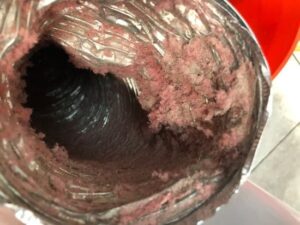
a. **Reduced Allergens and Dust:** Over time, dust, allergens, and pollutants can accumulate in your ductwork. When your HVAC system is in operation, these contaminants are circulated throughout your home. Replacing old, dirty ducts can significantly reduce these airborne particles, providing relief for allergy sufferers and improving overall air quality.

b. **Elimination of Mold and Mildew:** Moisture in your ducts can lead to the growth of mold and mildew. These can release spores into the air, posing health risks to you and your family. Ductwork replacement eliminates this threat, ensuring a healthier living environment.

**2. Enhanced Energy Efficiency:**
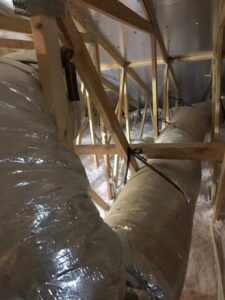
a. **Reduced Energy Waste:** Leaky or poorly insulated ducts can cause your HVAC system to work harder to maintain the desired temperature, leading to energy waste and higher utility bills. Replacing your ductwork with properly sealed and insulated materials can prevent heat loss or gain, resulting in a more efficient system.

b. **Lower Operating Costs:** An energy-efficient HVAC system doesn’t just save energy; it also saves you money. When your system operates efficiently, it requires less energy to maintain your desired temperature, reducing your monthly heating and cooling costs.

**3. Consistent Comfort:**

a. **Even Temperatures:** Ductwork replacement ensures that conditioned air is evenly distributed throughout your home. This eliminates hot and cold spots, providing consistent comfort in every room.

b. **Improved Airflow:** Old and damaged ducts can restrict airflow, making your HVAC system less effective. New ductwork with the right design and size ensures that air circulates freely, optimizing your system’s performance.

**4. Extended HVAC System Lifespan:**

a. **Less Strain on Your HVAC System:** When your HVAC system doesn’t have to overcompensate for inefficient ductwork, it operates with less strain. This can extend the lifespan of your heating and cooling equipment, saving you from premature replacements.

**5. Increased Home Value:**

a. **Attractive Selling Point:** If you ever decide to sell your home, having recently replaced ductwork can be an attractive selling point. Buyers often look for homes with updated and well-maintained HVAC systems.

Ductwork replacement is an investment in your home’s comfort, energy efficiency, and overall well-being. By improving indoor air quality, reducing energy waste, and ensuring consistent comfort, you’ll enjoy a healthier, more comfortable living environment while potentially saving money in the long run. Don’t underestimate the impact of your ductwork-consider replacement as a step toward a more comfortable and efficient home.

The Buzz Report Febuary 2023

In This Issue
  • New Office Location
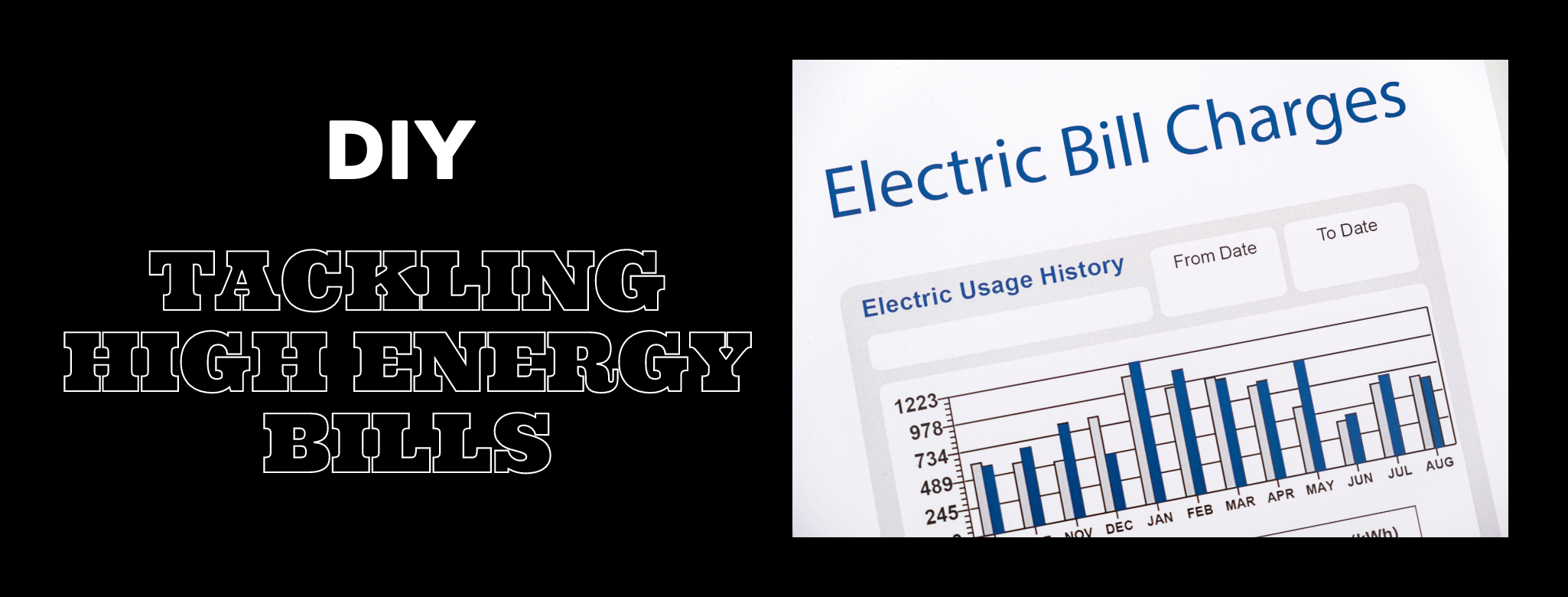
  • DIY: Tackling High Energy Bills
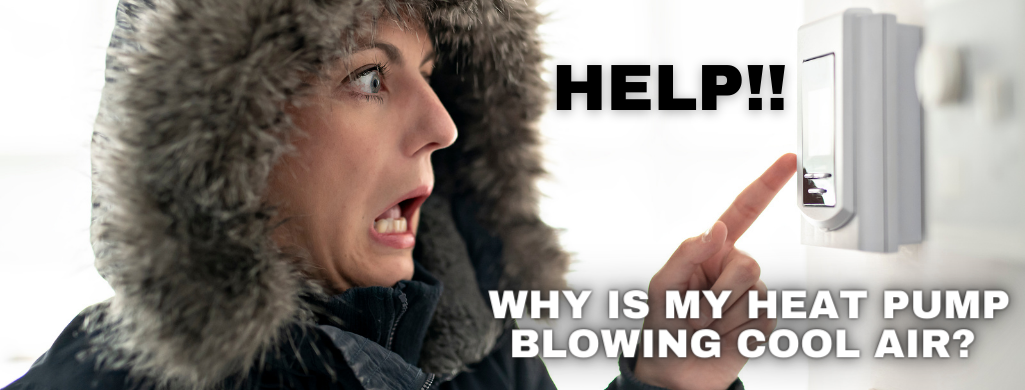
  • Help! Why Is My Heat Pump Blowing Cool Air?
  • February Celebrations
  • The Beco Club
  • The Beco Referral Program
  • Beco’s Kitchen
  • Just For Fun
Don’t Get Caught Unprepared!
Make sure your family stays warm and safe with a full heating tune-up from Beco!

Schedule today!

817-921-3724


As we spend more time indoors, we may find ourselves watching a lot of TV, whipping up meals from scratch and generally using appliances around the clock. The surprise result you may have experienced is an uptick in your utility bills. Here are a few energy- efficient tips to help keep costs down while staying at home.

  • Consider your home comfort system. If your system is more than 10 years old it’s using more energy than necessary to heat and cool your house. High-efficiency systems offer the potential to save hundreds of dollars a year on energy bills, and also provide a greater level of comfort. If your current system has become expensive to maintain and operate, or if it’s struggling to keep your home comfortable, it may be wise to replace it. Over time, a new system will pay for itself in reduced heating and cooling bills.
  • Change that air filter. A dirty air filter causes your HVAC system to work harder than it should — and that increases energy use. Check and/or change the filter on a monthly basis during heaviest use.
  • Turn it down. For every degree or so you turn your heat down, you’re looking at between 2–3% savings on your monthly bill. For even more savings, be sure to lower it when you’re not around.
  • Shop smart. Energy-efficient appliances cost less to operate, and that’s key to reducing your home energy use.
  • Unplug it. If you have a million little electronics plugged in, they’re all just sitting there doing nothing but chugging power.
  • Use it wisely. Completely fill up your dishwasher before running it. Dishwashers use the same amount of energy no matter how full they are. It all adds up.
Texas doesn’t get super cold very often. But when it does, having your heat pump blow cold air is the last thing you need.

So what’s the deal?

There are two possibilities:

  1. Your heat pump is working properly.
  2. Your heat pump is actually blowing cold air, in which case there is likely an issue with your system

Possibility #1: Your body is tricking you

Your body’s average temperature is around 98 degrees, whereas the air that heat pumps produce is around 100 degrees. So, even when a heat pump is working just fine, the air a heat pump circulates may feel “cold” compared to your body heat.

Plus, the colder it gets outside, the lower the temperature of the air a heat pump can produce.

Why?

Well, heat pumps actually heat your home by absorbing heat from the air outside, drawing that heat inside, and using that heat to warm up your home’s air.

The colder it gets outside, the less heat your heat pump can absorb from outside, and the lower the temperature your heat pump produces.

While this may seem like an issue, your heat pump can usually heat your home just fine, but when it’s extremely cold out (below 30 degrees), it just takes your system a little longer to do so. At this point, if your system is equipped with Emergency Heat, it is recommended that you switch over to this heat source.

Possibility #2: Reasons your heat pump is actually blowing cold air

If your heat pump is blowing cold air, some possible causes include:

  • Low refrigerant levels
  • Problems with the reversing valve
  • Thermostat accidentally set to “cool” mode
  • Fan set to ON
  • Dirty outdoor unit
  • The system is in a defrost cycle

1. Low refrigerant

Refrigerant is the substance that absorbs heat from the air outside and draws that heat into your home. If there is a leak in your refrigerant line, there won’t be enough refrigerant to draw in the proper amount of heat to warm up your home’s air.
If this is your issue, you’ll need to contact a professional to come to check out your heat pump. Refrigerant circulates in a closed-loop system, so if your system is low on refrigerant, there’s a leak. A Beco pro will need to repair the leak as well as refill your refrigerant.

2. Reversing valve issues

The reversing valve is the mechanical valve that switches your heat pump from cooling mode to heating mode. If there is an issue with your reversing valve, your heat pump may actually be in cooling mode, in which case the air coming from your vents will be cold, not warm.

To fix this, you’ll need to contact a Beco technician and have them take a look at your system.

3. Thermostat set to COOL

Don’t worry, it happens more often than you think. If you recently turned your heat on, this could be the issue. Check your thermostat and make sure that its set to HEAT, not COOL.

4. Fan set to AUTO

Another setting on your thermostat is your FAN setting. This setting should be set to AUTO, not ON. When set to on, your heat pump will blow air whether it’s heated air or not. When set to AUTO, your heat pump will only blow air when it’s heated.

5. Dirty outdoor unit

Your heat pump heats your home by drawing in warm air from outside. However, your heat pump will struggle to absorb warmth from outside if the coils on the outdoor unit are dirty, clogged or blocked with debris (resulting in less heated air to your home).
To determine if this is your issue, go outside and take a look at your outdoor unit (compressor). If it looks dirty or clogged, it’s time to enlist a Beco professional to come and clean it.

6. The system is in a defrost cycle

If it gets too cold outside, your heat pump’s outdoor unit may freeze, causing your system to go into defrost mode.

When in defrost mode, your heat pump starts transferring heat out of your home (towards your outdoor unit) instead of transferring heat inside your home. This transfer of warm air to your outdoor unit helps to melt any ice on your outdoor unit.

When this happens, your heat pump is essentially in “cooling mode,” which is why you may feel cold air coming from your vents. Once your outdoor unit has defrosted, your heat pump will return to transferring heat into your home rather than to your outdoor unit.

If your heat pump is blowing cold air, look outside and see if your outdoor unit is frozen or has frost on it. If so, your heat pump is likely in defrost mode and you don’t need to call a technician. However, if your heat pump doesn’t return to heating mode and you’re noticing cool air for a long period of time, you should reach out to a Beco professional.

Think you have an issue with your heat pump?

If you’re trying to determine whether the cold air you’re feeling is a legitimate heat pump issue or not, we suggest you do the following…

1) To find out if your heat pump is actually blowing cold air, hold a thermometer up to the supply vent (the ones that blow out air) then hold it up to a return vent (the ones that suck air in).

The air coming from your supply vent should be anywhere from 15-30 degrees hotter than the air near your return vent (depending on how cold it is outside).

2) If you test your home’s air supply and find that your heat pump is blowing cold air, call and schedule an appointment with a Beco professional who can fix your heat pump.
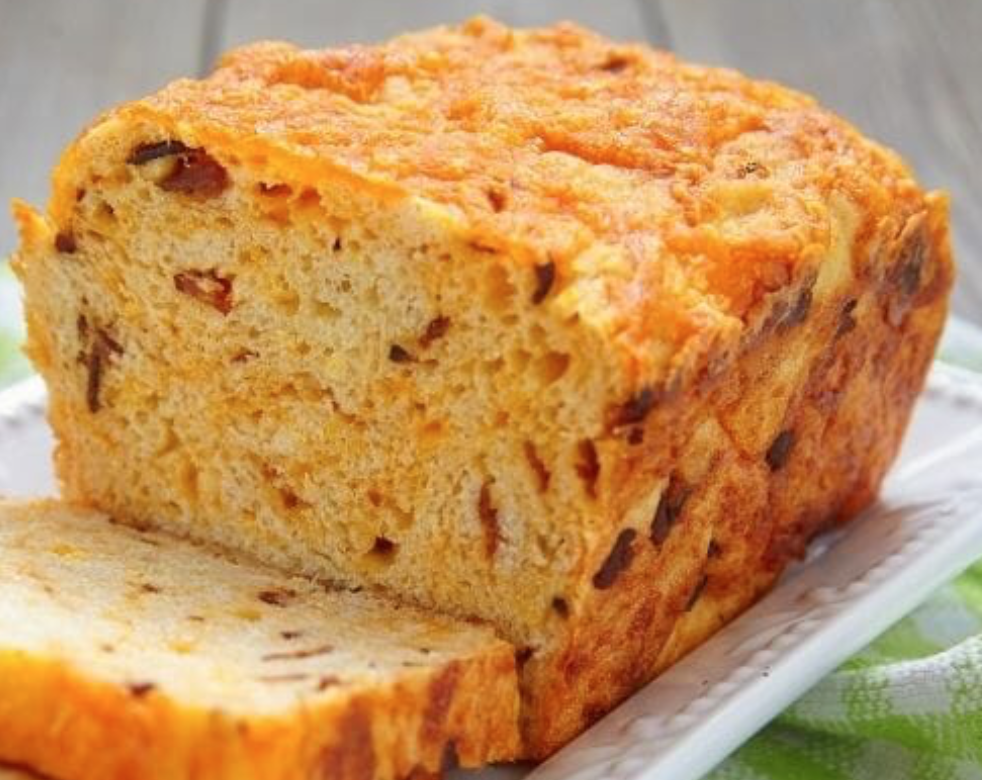
Cheesy Bacon Beer Bread

Ingredients:

*3 1/2 cups self-rising flour
*1/3 cup sugar
*1 egg
*1 can beer
*2 tablespoons dried onion
*1/2 cup shredded cheddar cheese
*4 strips bacon, cooked and crumbled.

Instructions:

Heat oven to 350°F. Spray a loaf pan with cooking oil.

In a medium bowl, mix flour, sugar, egg, beer, and onion. Fold in the cheese and bacon. Pour into prepared loaf pan. Bake for 1 hour or until a toothpick inserted into the center comes out clean.


Hamburger Soup


Ingredients:

*1 lb ground beef
*1 tablespoon olive oil
*1 medium yellow onion, diced
*3 stocks celery, diced
*3 cloves garlic, minced
*3 medium potatoes, peeled and diced
*1 can tomato paste (5 oz)
*1 can of diced tomatoes (15 oz)
*1/2 cup frozen corn
*1/2 cup frozen green beans
*1 bay leaf
*4 cups beef broth
*1/3 cup macaroni noodles
*1 teaspoon tabasco sauce
*1 tablespoon Italian seasoning
*Salt and pepper to taste

Instructions:

In a large stockpot, add oil and onions, cooking over medium-high heat until onions are translucent.

Add ground beef and season with salt and pepper.

Add Italian seasoning and cook until brown.

Stir in vegetables, bay leaf and beef broth. Allow to simmer for 10 minutes or until potatoes are tender. Add noodles. Bring to a boil. Lower heat to medium and simmer until noodles are al dente, about 7 minutes.

Add tabasco sauce, salt, and pepper to taste. Remove bay leaf and serve hot.
Yema Candy
Yema is a sweet custard confectionery from the Philippines. The name yema is Spanish for “egg yolk”.  Like other egg yolk-based Filipino desserts, it is believed that yema originated from early Spanish construction materials. During the Spanish colonization of the Philippines, egg whites mixed with quicklime and eggshells were used as a type of mortar to hold stone walls together.  Filipinos reused the discarded egg yolks into various dishes. Among them is yema.

Yemas were originally made with only egg yolks and sugar, heated and stirred until the consistency is thick. They are then shaped into small balls or pyramids and covered in white sugar. Milk (or condensed milk) later became part of the recipe. Modern variations also usually include chopped nuts.


Ingredients:

*1 can sweetened condensed milk
*8 egg yolks
*2 tablespoon butter
*1/4 cup chopped nuts (walnuts, peanuts, or pecans), optional
*powdered sugar

Instructions:

In a medium saucepan, heat sweetened condensed milk, egg yolks, and butter over low heat until thickened. Stir constantly.

Add nuts.

Pour onto a baking sheet and let cool.

Divide into squares. Roll each square into a ball. Coat in powdered sugar.


The Buzz report March 2023

In This Issue
  • Got Allergies?
  • Common Thermostat Problems
  • Landscaping Around Outdoor Units
  • February Celebrations
  • The Beco Club
  • The Beco Referral Program
  • Beco’s Kitchen
  • Just For Fun
Welcome to Pollen Season!!
Spring is a gorgeous time of year – trees and flowers blooming, gentle breezes, delightful rain showers, and cute, fuzzy baby animals. That’s all great unless you suffer from seasonal allergies! Make sure the air you breath in your home is as allergen-free as possible with an AC tune-up!

Schedule your AC tune-up today! 

817-921-3724


Spring can be a pretty miserable experience if you’re one of the estimated 50 million Americans who suffer from seasonal allergies. Between the sneezing, sniffling, watery eyes, and scratchy throat, seasonal allergies triggered by pollen, grasses, and a host of other natural allergens can do a number on your physical well-being. Springtime allergens aren’t just limited to the great outdoors — indoor allergens like dust and pet dander can also trigger your allergies.

Your HVAC system can be a valuable ally in the fight against springtime allergies. In addition to regulating indoor temperatures, your heating and cooling equipment is also tasked with managing indoor air quality. Here’s how you can put your HVAC system to good use in fighting both indoor and outdoor allergens.

Upgrade to a High-Quality Air Filter

As your HVAC system draws air from inside your home, it’s also drawing allergens and other airborne pollutants. Your HVAC air filter serves as the first line of defense against these allergens. Unfortunately, most HVAC systems come equipped with fiberglass air filters that offer only rudimentary protection against dust and debris and little protection against smaller allergen particles.

Air filters made from pleated paper offer your HVAC system better protection against allergens. These filters trap a broad range of airborne particles that would pass through fiberglass filters. Upgrade to a pleated air filter with a Minimum Efficiency Reporting Value (MERV) between 11 and 16, as these filters are most effective at reducing indoor allergens without adversely impacting HVAC performance.

Run Your HVAC Fan for Circulation

Your HVAC system can only remove allergens from your home’s indoor air when the indoor blower fan is actively working. The blower fan plays an integral role in your HVAC system by pulling indoor air into the unit and pushing conditioned air out through the ductwork. More importantly, the blower fan also pulls air through the filter — giving your HVAC system an opportunity to remove dust, debris, and harmful allergens from indoor air.

You don’t have to use your heat or air conditioning just to benefit from HVAC fan circulation. All you have to do is toggle your HVAC system to “fan” mode on your thermostat. This setting essentially forces your blower fan to run constantly. The resulting air circulation can help remove harmful allergens from the indoor air, with slightly increased noise and energy use being the only noticeable drawbacks.

If you plan on upgrading your HVAC system in the near future, consider having a variable-speed blower fan motor installed. Variable-speed fans are capable of running at much lower speeds than a typical blower fan, allowing for quieter operation with less noise.

Consider Whole-Home Products

Consider installing a whole-home product to improve the air quality throughout your home. Our Beco team can recommend air cleaners, humidifiers and UV lights that are designed to work with your new or existing HVAC system to efficiently ventilate and minimize sources of indoor pollutants in your home. Air cleaners filter out 98% of pollutants and also ensure your system works at peak efficiency all year long. Humidifiers replenish moisture throughout the home to make it more comfortable by reducing static electricity and reduce problems caused by dry air including dry nose, itchy eyes and sore throats. They also provide energy savings due to lower indoor temperatures. To kill and reduce airborne germs, bacteria, viruses, mold and fungi, consider having UV lights installed.


Keep Up With Preventative Maintenance

A well-maintained HVAC system is absolutely essential for keeping springtime allergies at bay. The only way to have a well-maintained HVAC system is to have it serviced on a regular basis. Regularly scheduled maintenance ensures that your HVAC system remains in peak condition throughout the year.

Preventative maintenance also gives your HVAC contractor a chance to spot and correct minor issues before they turn into major problems that require costly repairs. Most importantly, preventative maintenance also ensures that your HVAC system can effectively tackle both indoor and outdoor allergies, saving your senses plenty of grief throughout the spring and beyond.

Consider your HVAC system as a valuable secret weapon in the fight against springtime allergies.

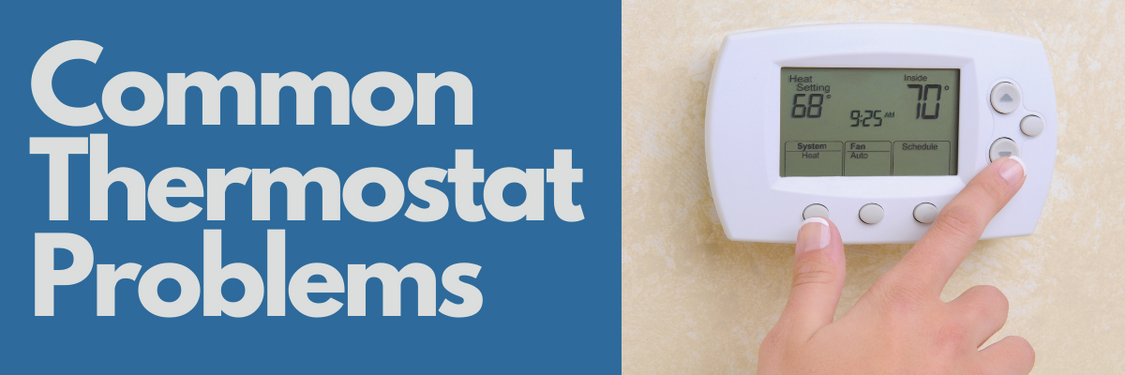
Having trouble with your thermostat? Here are 8 possible reasons why.

Bad Location

The location where the thermostat is mounted can be a problem. Mounting the thermostat on an exterior wall can result in a temperature exchange with the exterior temperature that give an incorrect temperature reading of the interior. The thermostat can read a lower temperature in winter and a higher temperature during summer.

Mounting the thermostat near a door or window can also create a temperature exchange. Whenever the door or window is opened, outside air can throw off the thermostat reading of the internal temperature. Don’t locate the thermostat near a supply register either.

Even having the thermostat located near a lamp that uses an incandescent bulb can be enough to affect the thermostat. The heat from the light bulb can be enough to turn off the heat in winter before the desired temperature has been reached.

The best location for the thermostat is on an interior wall in the middle of the building.

Loose connection

A loose connection at the thermostat, furnace, or air handler control board can also be an issue.

If the thermostat has screw terminals, make sure they are tight. Use a screw driver with large hand with a good grip for enough torque to get a good connection.

The insulation on the wire should be cut back so that enough copper is exposed to make contact with the terminal. If you suspect a loose connection, it is best to schedule a Beco technician to take a look and correct the problem.

Power Connection

Thermostat issues can arise when the thermostat is powered by batteries only and not from the c-terminal from the air handler or furnace. The thermostat can be powered through the c-terminal with the 24 volt line from the furnace or air handler control board. Some thermostats don’t have a c-terminal and some have an optional c-terminal or battery so one or the other (or both) can be used.

While some thermostats will function with low batteries, others may not operate at all. Even if the thermostat doesn’t indicate low batteries, there may still be a problem with the batteries and not enough power will be available to close the electrical contacts to turn the system on.

Bad batteries or corrosion on the battery contact terminals are other reasons that there won’t be enough voltage to the display.

Out of Level

It is very important that an old-style mercury thermostat is level because the small mercury balls being offset can cause the thermostat to shut off at the wrong time. Even if the thermostat was level when it was installed, the wall anchors can loosen and cause it to tilt.

Digital thermostats can be out of level and still maintain an accurate temperature.

Damaged Wire

If it is stripped wrong, the thermostat wire can be nicked or scratched and it won’t be able to make a full connection.

Thermostat wires that run through crawl spaces can also be damaged by rodents. Check for bad connections and corrosion at any wire nut or spade connector.

Improper Settings

The thermostat may be set to turn on and off at the wrong time or can be trying to control the wrong system. Rarely, the instructions for programming the thermostat will be on the back of the thermostat itself. Using the model number, you can reference the installation instructions online.

Cold Draft

A hole behind the thermostat, in the attic or in the crawlspace can let cold air in that causes problems for the temperature sensor on the thermostat. A Beco technician can assist with this issue by sealing up the hole.

It’s Broken

Ultimately, the problem with the thermostat could actually be the thermostat itself or one of the components that the thermostat controls can be damaged. There is an entire sequence that the thermostat controls and it might be necessary to have a Beco technician troubleshoot.
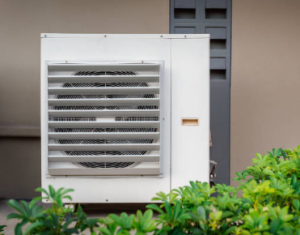
While you may love the cool temperatures an A/C unit can provide, you may not love how the unit looks in your yard. Here are a couple of ways you can accomplish landscaping around outdoor units.

Fencing

With a fence around your air conditioner, you can keep pets, children, and thieves away from your air unit, reducing the likelihood of damage. Keep in mind that your air conditioner needs proper ventilation to ensure steady airflow. Solid wood or vinyl panels will restrict the cooling breezes that reach your machine, and your unit will have to work harder to keep you comfortable. When you install fencing, choose lattice-style or open-slat designs, and make sure the fence sits at least three feet away from your air conditioner. When constructing a fence also allow for easy access for a technician to preform routine maintenance and any needed repairs.

Greenery

 Grow Some Green!  Rather than block off your air conditioner entirely with a fence, why not hide your unit with some tall-growing plants? Ornamental grasses such as silver grass, porcupine grass, or switch grass can grow high enough to cover your air conditioner without breaking up your view of Mother Nature. Variegated Japanese silver grass, for example, features beautiful silvery white plumes and can measure as high as six feet tall and three feet wide. If you prefer shrubs over grasses, Indian hawthorn can form a dense, flowering hedge that rarely needs pruning. As with fencing, tall-growing grasses, shrubs, and trees may inhibit airflow if placed too close to your air conditioner. Give your unit at least three feet of space around each side to ensure adequate airflow and allow for access by a technician for routine maintenance and any needed repairs. Additionally, plant life will shed a variety of debris (leaves, twigs, flowers, etc.) that could clog your condenser fins and coils. These clogs will prevent your unit from adequately releasing heat, increasing the likelihood of a breakdown. Every spring or summer, you should prune your surrounding plants and have your system cleaned and maintained by a Beco technician.
6 Dipping Sauce Varieties
Sweet Sriracha Dipping 

  • 1 cup mayo
  • 1 cup sour cream
  • 1 tablespoon sriracha
  • 1 tablespoon honey

Add all ingredients into a medium size bowl. Mix well. Chill or serve room temperature. Refrigerate unused dipping sauce.

Honey Mustard Dipping Sauce

  • 1/4 cup whole grain mustard
  • 1/4 cup honey

Add all ingredients into a medium size bowl. Mix well. Chill or serve room temperature. Refrigerate unused dipping sauce.

Spicy Tomato Ranch Dipping Sauce

  • 1/2 cup ranch dressing
  • 2 tablespoons ketchup
  • 1/2 tablespoon sriracha

Add all ingredients into a medium size bowl. Mix well. Chill or serve room temperature. Refrigerate unused dipping sauce.

BBQ Dipping Sauce

  • 1/2 cup ketchup
  • 2 tablespoons cider vinegar
  • 1 tablespoon brown sugar

Add all ingredients into a medium size bowl. Mix well. Chill or serve room temperature. Refrigerate unused dipping sauce.

Cheesy Dip

  • 1 cup milk
  • 4 teaspoons flour
  • 1/4 teaspoon salt
  • 1 – 1/2 oz shredded cheddar cheese
  • 1/4 teaspoon freshly ground black pepper

In a medium saucepan, whisk together 1/4 quarter cup milk and flour over medium heat. Stir in remaining milk and salt. Bring to a boil and stir frequently. Reducing heat to low, simmer for 2 minutes, allowing rue to thicken. Stir constantly. Remove from heat and add cheese and pepper. Stir until cheese is smooth and creamy. Best if served warm. Refrigerate unused dipping sauce.

Avocado Dipping Sauce

  • 2 large avocados, halved and pitted
  • 1/2 cup lightly packed fresh cilantro
  • 1/3 cup lime juice
  • 1 small jalapeño, chopped.
    • NOTE: For a spicier dip, include seeds and pith in recipe. For a milder dip, remove seeds and pith in recipe.
  • 2 tablespoons water
  • 1/2 teaspoon fine sea salt
Scoop the avocado meat into a food processor or blender. Add remaining ingredients. Process until sauce is creamy, scraping sides as needed. Place in a serving dish and enjoy. Refrigerate unused dipping sauce.
Peanut Butter BBQ Chicken Pizza
Prep Time:  30 minutes
Bake Time: 10-12 minutes
Total Prep: About 40 minutes
Serves 4 (with 2 slices each)

Ingredients:

1 package pizza crust
1 cup shredded rotisserie chicken
1 tablespoon peanut butter
1/4 cup BBQ sauce
2 green onions, chopped
8 oz. mozzarella cheese

Instructions: 

Prepare packaged crust according to package directions.

Combine peanut butter with 1/4 cup of BBQ sauce and mix thoroughly.

Spread over the prepared and partially-baked crust.

Add chopped rotisserie chicken, green onions, and mozzarella cheese.

Bake 10-12 minutes until cheese begins to turn golden.
Apple Strudel
Prep: 15 minutes
Cook: 45 minutes
Total Prep: 1 hour
Servings: 12 

Ingredients:

Filling
5 cups sliced apples
1 cup raisins
1 1/2 cups sugar
1 teaspoon cinnamon
1 Tablespoon flour

Dough
3 cups flour
1 cup shortening
1 egg yolk and white, divided
1/2 cup milk

Topping
1/4 cup powdered sugar

Instructions:

In a medium bowl, mix apples, raisin, sugar, cinnamon, and flour. Set aside.

Cream together flour and shortening. Mix in the milk and egg yolk. Divide dough in half and roll out the first layer to fit into the bottom of jelly roll pan.

Add filling evenly to the pan. Roll out the remaining dough and cover the filling.

Bake at 375° for 45 minutes.

Dust with powdered sugar. Serve with vanilla ice cream if desired.
HAPPY MARCH FROM THE BECO AIR & HEAT FAMILY!

The Buzz Report April 2023

In This Issue
  • What’s That Noise?!?
  • 2023 Tax Credits & Utility Rebates
  • April Celebrations
  • The Beco Club
  • The Beco Referral Program
  • Beco’s Kitchen
  • Just For Fun
It’s Time for Spring Cleaning!
It’s spring cleaning season! Let us help you with your spring cleaning to-do list!

Schedule your AC cleaning and tune-up today!

817-921-3724

Laura@becoservice.com

becoairandheat.com
Are you concerned by the noises coming from your HVAC equipment? There are some noises that can alert you to issues in your heating and cooling equipment while other noises are just a result of day-to-day operation. Sometimes, it can be hard to discern a normal noise from an abnormal noise.

Be aware of the following noises:

Squealing & Screeching

If you hear a squealing or screeching noise, like that of nails on a chalkboard or a metal fork scratching a porcelain plate, it is caused by moving parts of your AC unit wearing out and breaking. It could be that the motor bearings are damaged, which will cause the motor to be off-center – thus the screeching. Another reason could be that your motor needs lubrication. If you attempt to lubricate the motor yourself, make sure to use the correct type of oil, specifically designed for HVAC systems.

Rattling

A rattling sound could mean a few different things. First, it could mean that a part has come loose. If you suspect this may be case, it is best to turn the power off to the system and have a technician out to take care of the problem before it becomes a bigger issue. Second, it could be that the motor is damaged. If the motor appears to be damaged upon a sight inspection, call a professional to replace it. Sometimes the noise could simply be that the panels or doors are loose. Check to ensure that the panels and doors outside your unit are firmly attached. Tighten any loose screws. Lastly, with the power turned off, check to determine if debris, such as twigs or other material is caught in the mechanism.

Thumping

It’s normal to hear a thumping noise when your air conditioner powers down, but continuous thumping means something is not working correctly. Thumping can occur inside your house when the filter hits the return grille or when the blower fan has come loose. Thumping can also indicate a broken seal or hole in the ductwork. If you hear thumping from outside, the springs on the compressor may be broken, or the fan is hitting metal. If you hear thumping repeatedly  and it’s getting louder, it’s a good idea to give your Beco technician a call.

Thwapping

If you hear a “thwapping” sound, similar to a playing card on bicycle spokes, something may be stuck in the blower blades or touching the blower from inside the unit. This issue is not severe, but it could cause the motor to wear out more quickly than it should.

Repeated Clicking

Repeated clicking noises can be caused by a few things. One, it could mean there’s a problem in the relay process in the thermostat that regulates the air temperature. Two, it could indicate an electrical problem connected to the unit, which causes the relay to stop working properly. Additionally, it could be that the contactor, the connection between the thermostat and the compressor, is damaged and needs to be replaced. These issues should be addressed by a professional.

Buzzing

If there is a persistent buzzing coming from your outside unit, it’s a good indicator that there’s a refrigerant leak or that your unit is freezing up. Turn off the air conditioner for a few hours and then start it again. If this happens frequently, your system is in need of repair. Additionally, the buzzing could mean that the condenser fan is not working. You will know this is the problem if your inside fan runs and you hear a buzzing noise coming from the outside unit. Buzzing may also indicate an electrical problem somewhere in your system.

Banging

If you hear a loud banging as your unit runs, there is definitely something broken and in need of repair. One possibility is that you may have a damaged piston pin or connecting rod. Banging can also mean you need to replace the compressor. You should stop using the unit until it is repaired or replaced.

Grinding

A grinding sound usually indicates an issue with vital AC parts. It could be damaged blower fan bearings or blades, a damaged compressor valve, or damaged condenser fan bearings.

Dripping

As your AC cools, it pulls moisture from the air and into the drip pan. A dripping sound suggests the condensation, or moisture, isn’t draining properly. Most likely you have a clog somewhere in the drain lines.

Whistling

A high-pitched whistling noise suggests something is blocking airflow in your ducts or supply vents. Ensure the vents have enough space to work – with no furniture, dust or debris blocking them. Blockages and improper installation of ducts will decrease airflow, which in turn produces a whistling noise. Contact your Beco technician to inspect your ducts for blockages and proper configuration.

Hissing

When refrigerant leaks into your air handler, it can produce a hissing sound. You should address refrigerant leaks immediately, as refrigerant is harmful to the environment. The service professional mustn’t just refill the refrigerant but also find the source of the leak and repair it. In some cases, a refrigerant leak may be located in an area that is unable to be repaired and the leaking part will need to be replaced.

How to Prevent a Noisy System

Regular maintenance will help prevent many of the most common HVAC noises.
2023 Tax Credits

Upgrading your home or property with energy-efficient appliances comes with a number of tax credits. The Inflation Reduction Act notably expanded or extended the available tax credits for taxpayers.

Energy tax credits are benefits from the government when taxpayers make energy-efficient upgrades to their property. These improvements may include installing solar panels, heat pumps, windows, or insulation, among many others. Taxpayers don’t get an immediate discount on purchasing green-energy items, but they may be eligible for a tax credit.

For every qualifying HVAC system purchased and installed between January 1, 2023, and December 31, 2023, the tax credit is up to $2,000 on qualifying systems. The equipment must meet the required standards. New-construction homes and rentals are not eligible for this home tax credit.

Utility Rebates

For every qualifying HVAC system purchased and installed this year you can receive up to $2,400 in rebates. This offer is only available until funds are exhausted.

Ambrosia Salad
INGREDIENTS 1/2 cup heavy cream
1 tablespoon sugar
4 ounces sour cream
6 ounces mini marshmallows, approximately 3 cups
1 cup clementine orange segments, approximately 6 clementines
1 cup chopped fresh pineapple
1 cup freshly grated coconut
1 cup toasted, chopped pecans
1/2 cup drained maraschino cherries 

DIRECTIONS

Place the cream and sugar into the bowl of a stand mixer with the whisk attachment and whip until stiff peaks are formed. Add the sour cream and whisk to combine. Add the marshmallows, orange, pineapple, coconut, pecans and cherries and stir to combine. Transfer to a glass serving bowl, cover and place in the refrigerator for 2 hours before serving. Makes approximately 6 servings.
Bacon Cheese Ball
 

INGREDIENTS

2 – 8 oz packages cream cheese (softened)
2 – 1/2 C shredded cheddar cheese
1 package ranch dressing mix
1 small package real bacon pieces
1 cup finely chopped pecans or veggies.

DIRECTIONS

In a medium bowl, smooth cream cheese. Mix and blend dressing mix, cheddar cheese and bacon into cream cheese. Shape mixture into a ball shape. Roll into nuts or veggies until covered. Chill at least 2 hours. Serve with crackers. 
Three-Bean Cassoulet with Cornmeal Dumplings
 

INGREDIENTS

CASSOULET 

1 cup sliced carrots

½ cup coarsely chopped red onion

1 tablespoon olive oil

2 teaspoons minced garlic

1 (8-oz.) package cooked cubed ham

1 (16-oz.) package frozen baby lima beans

1 (16-oz.) package frozen butter peas

1 cup frozen black-eyed peas

1 (32-oz.) container reduced-sodium chicken broth

2 teaspoons finely chopped fresh rosemary

½ teaspoon table salt

¼ teaspoon freshly ground black pepper

CORNMEAL DUMPLINGS

½ cup all-purpose flour

½ cup plain yellow cornmeal

1 teaspoon baking powder

¼ teaspoon baking soda

¼ teaspoon kosher salt

¼ teaspoon freshly ground black pepper

2 tablespoons cold butter, cubed

1 teaspoon finely chopped fresh rosemary

⅔ cup buttermilk

Directions

  • Step 1 Prepare Cassoulet: Sauté carrots and onion in hot oil in a Dutch oven over medium heat 3 to 4 minutes or until tender. Add garlic, and sauté 1 minute. Add ham, and cook, stirring often, 3 minutes. Stir in lima beans and next 6 ingredients; bring mixture to a boil, reduce heat to low, and simmer, stirring occasionally, 15 minutes.
  • Step 2 Meanwhile, prepare Dumplings: Whisk together flour and next 5 ingredients in a medium bowl. Cut butter into flour mixture with a pastry blender until mixture resembles coarse meal. Stir in rosemary; add buttermilk, and stir just until dough is moistened.
  • Step 3 Drop dough by tablespoonfuls 1/2 to 1 inch apart into bean mixture. Cover and simmer 15 to 20 minutes or until dumplings are done and dry to the touch. Serve immediately.
 

May 2022

In This Issue
  • Need a New System? Now Is the Time to Buy!
  • DIY: Readying Your System for Warmer Weather
  • Rodents, Retiles & Ants, Oh My!
  • Mother’s Day
  • May Celebrations
  • The Beco Club
  • The Beco Referral Program
  • Beco’s Kitchen
  • Just for Fun
Don’t wait until it gets hot! Now is the perfect time to get your AC ready for summer!

Schedule your AC cleaning and tune-up today!

817-921-3724
Laura@becoservice.com
becoairandheat.com


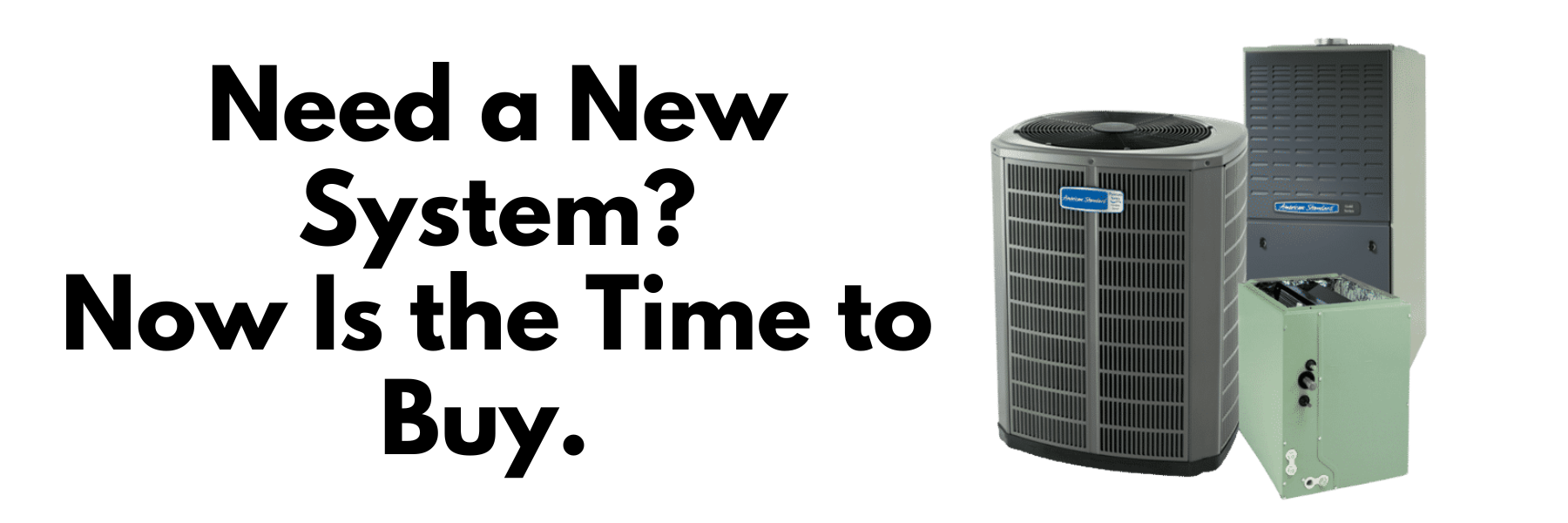
Need a new HVAC system? Now is the time to buy!

If you are in need of replacing your current HVAC system, now is the time to do so. With tax incentives, utility rebates, and a promotional deal from American Standard, you could save up to $6,800 overall. If that isn’t incentive enough, we also offer several financing options for qualifying buyers.


2023 Tax Credits

Upgrading your home or property with energy-efficient appliances comes with a number of tax credits. The Inflation Reduction Act notably expanded or extended the available tax credits for taxpayers.

Energy tax credits are benefits from the government when taxpayers make energy-efficient upgrades to their property. These improvements may include installing solar panels, heat pumps, windows, or insulation, among many others. Taxpayers don’t get an immediate discount on purchasing green-energy items, but they may be eligible for a tax credit.

For every qualifying HVAC system purchased and installed between January 1, 2023, and December 31, 2023, the tax credit is up to $2,000 on qualifying systems. The equipment must meet the required standards. New-construction homes and rentals are not eligible for this home tax credit.

Utility Rebates

For every qualifying HVAC system purchased and installed this year you can receive up to $2,400 in rebates. This offer is only available until funds are exhausted.

American Standard Promotion

Since Beco Air & Heat is a top seller of American Standard HVAC equipment, we are able to offer a special promotion to all our valued customers. For every complete American Standard system purchased, the coil is FREE! An approximate $2,400 in savings!

Why Choose American Standard

American Standard has been committed to innovation and home comfort since the 1880s.  All HVAC systems are tested for durability and efficiency, so you can enjoy comfortable air for many years.

In 2021, a National Product Testing and Research Magazine rated American Standard heat pumps 5 out of 5, or Excellent, in both Predicted Reliability and Owner Satisfaction categories.

Financing Options

At Beco Air & Heat, we are happy to offer financing options to our valued customers.  Currently, our most popular options are 18 months at 0% or 60 months at 6.99%.
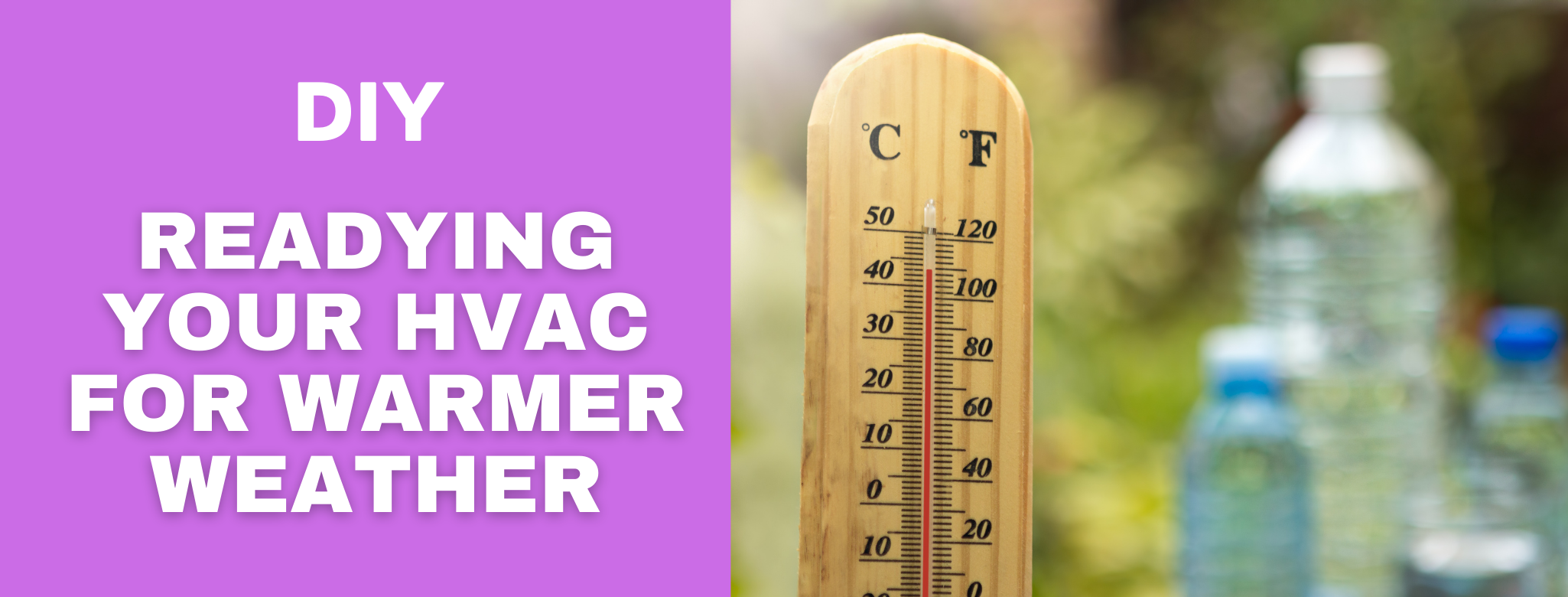
Spring is the perfect time to get your HVAC system ready for warmer weather. Tackle the following HVAC home maintenance tasks this spring to make your home more comfortable and ready to take on the Texas heat!

CHECK AND CHANGE THE AIR FILTER

Your HVAC system’s air filter traps contaminants in the air like dust, pet dander and pollen. Replacing the filter regularly is an important part of HVAC home maintenance that can improve the quality of your indoor air while also protecting your HVAC system. Dust and other particulates can hinder the efficiency of HVAC components and cause the system to fail. In fact, dust and debris are among the most common causes of HVAC system failures. To ensure healthy indoor air and a optimal HVAC system, check the air filter monthly and replace it as soon as buildup is visible.

GET A PROFESSIONAL INSPECTION AND TUNE-UP

Having your heating and cooling system checked and maintained by Beco Air & Heat is one of the best ways to ensure it continues to function efficiently. Our experienced HVAC technicians have the skills, tools and experience to spot and fix potential problems with your system. Inspections and tune-ups can also help keep energy costs down and prevent the need for expensive repairs.

SEAL AND INSULATE DUCTS

If you have leaky ductwork, you could be losing as much as 35 percent of your energy. Additionally, leaking ducts can make your home feel overly hot in the summer and too cold in the winter. During an HVAC inspection, a Beco professional can look for duct leaks, seal those that are found, and install ductwork insulation where needed.

INSTALL A PROGRAMMABLE THERMOSTAT

Keeping your home cool during the summer can be extremely expensive, especially in Texas. You may be tempted to lower the temperature on your thermostat and keep it down all day, every day. This isn’t smart or feasible.

A programmable thermostat can help you keep your home cool without causing your energy bills to spike. It allows you to set the thermostat according to your family’s schedule. Some programmable thermostats even offer you the ability to set temperatures in your home remotely from a PC or smartphone. You can keep the temperature high in the middle part of the day when there’s no one home and lower it to a comfortable level right before you return.

THINK ABOUT REPLACING AN OLD HVAC SYSTEM

You should consider replacing an HVAC system with a more energy efficient model. This is especially important if it’s more than 10 years old. Newer systems are considerably more efficient than older ones — as much as 50 percent in some cases — which means that your unit could wind up paying for itself in a relatively short time. Newer systems are also much less likely to fail, so you’ll be saving on repair costs as well.

PERFORM A TEST RUN

Let your HVAC system run for a short time at the start of the season. A test run can help you to spot any problems before temperatures really rise in the middle of spring and in the summer. Contact a Beco professional to resolve any issues that you spot.
Pests are everywhere. When we think about pests, we tend to think of common household nuisances like cockroaches, ants or mice. However, when it comes to your AC system, your outdoor unit or condenser is prone to all kinds of critters of nature that can do some serious damage. From rodents to reptiles to ants and more, your outdoor condenser unit is exposed to the elements of nature and to the curious creatures that might come near it or even inside it.

Rodents

Rodents like to nest in ductwork. They will chew on whatever they can find. When they begin to feast on HVAC electrical wiring, your home’s safety is compromised. Chewing through a wire can lead to an electrical fire and a damaged HVAC system. When rodents find their way into your ductwork and make nests or leave droppings behind, tiny fecal spores are swept along by the force of heated and cooled air moving through the ducts. These spores make their way into your home and contaminate the air quality.

Gaps, cracks, and larger disconnections in the duct system create points of access for pests to enter your HVAC system as well as your home or building’s interiors. Insects, mice, and larger vermin may enter the duct system, depending on the size of air leaks. Ductwork should be professionally sealed.

Rodents and other small animals can cause great damage to your exterior air conditioning condenser. They can damage components by chewing, scratching, urinating, and more – even their presence can harm the system, should you happen to turn the air conditioning system on when they are inside. Your best line of defense in protecting your condenser is preventing rodents from coming near it, to begin with. Keep the area surrounding your condenser clear by cleaning around it on a regular basis. Cutaway vegetation and clean excrement, which can attract rodents to the area initially.

Reptiles

Snakes and lizards can nest in ductwork or sometimes find their way into the outdoor condenser. A snake that is coiled up inside the A/C unit when it turns on up will likely be killed by the motion of the fan blades, but that interaction can also damage the blades or other components.

Geckos may look cute, but they may cause serious damage to your air conditioner. If you leave geckos in your air conditioner, they can potentially ruin the printed circuit board and fry themselves by short-circuiting it.

Ants

Ants can present a problem by taking up residence in your air conditioning unit and growing in number. As the weather gets warmer, ants may seek shelter in your home’s AC units. This problem is more prevalent after it rains . Ants seem to be attracted to the electronic components of your AC unit, and often become stuck in between electrical contact points on the unit. When the ants burrow themselves in these tiny spaces and touch the contacts, it can cause malfunction and even permanent damage to the unit if the pests are never removed.

Specifically, ants can cause your AC unit to short-circuit. If an ant is electrocuted, it can release an alarm pheromone in dying, which attracts other ants. Once a large number of ants enter the unit, they are more likely to cause the electronics to short-circuit. Overheating, corrosion, and mechanical failures can also result from the accumulation of dead ants and their nest material in electrical devices.

Fortunately, there are some simple measures you can take to prevent these little pests from invading your AC unit:

  • First, you should avoid keeping mulch or leaf piles near your AC unit, as these are prime habitats for ants. The decomposing layers of organic material in piles of mulch or leaves are where ants often live and reproduce, and if your AC unit is nearby, the ants may soon discover it and begin to move in.
  • Second, try to clean out your gutters at the beginning of the spring or summer to get rid of leaves and dirt that may attract ants. If you have leaves around your yard and home left over from the fall, try to rake these up as well.
  • Lastly, if you see a significant ant presence near your AC unit, you can purchase ant baits/killers to place around the unit to deter and eventually eradicate the ants in the area.
As the summer approaches, be sure to regularly check your home AC unit for ants. If you do discover the beginnings of an infestation, it’s important to take action right away to avoid damage to the unit.
  • Mother’s Day is celebrated every year on the second Sunday of May. This year it will be on May 14th.
  • More calls are made on Mother’s Day than any other day of the year. Approximately 122 million calls.
  • Mother’s Day is the third highest selling holiday for flowers and plants. After Christmas and Hanukkah, more people buy flowers and plants for their moms on Mother’s Day than any other holiday. Around approximately one quarter of all the flowers purchased throughout the year are bought for Mother’s Day.
  • Mother’s Day is the busiest day of the year for restaurants. According to the National Restaurant Association, about 87 million adults make plans to go to a restaurant for Mother’s Day.
  • The name ‘Mom’ comes from babies. The first thing a baby can vocalize is the ‘ma’ sound, which is why in almost every language the word for mother begins with the letter ‘M’ or is some iteration of the ‘ma’ sound.
  • The history of American Mother’s Day starts with peacemaker Ann Jarvis. During and following the Civil War, Ann Jarvis made a concerted effort to foster friendship and community between the mothers on both sides of the war. She started a committee in 1868 which established the first glimmer of today’s holiday: “Mother’s Friendship Day.”
  • Ann’s daughter Anna continued her legacy by creating the official holiday. Anna Reeves Jarvis sought to honor her own mother by establishing an intimate day of observance that is very obviously the basis of today’s holiday. The very first Mother’s Day was celebrated in 1908.
  • Woodrow Wilson signed Mother’s Day into law in 1914. After Anna Jarvis created the Mother’s Day International Association in order to streamline the intimate day of observance to the second Sunday in May, Woodrow Wilson legitimized the celebration as a nationwide holiday.
  • On average, shoppers spend $180 on gifts for their mothers. A nationwide total of approximately $4.6 billion is spent on jewelry and $4.4 billion on dinners or brunches.
  • The most popular gift for Mother’s Day is the greeting card. Every Mother’s Day there are approximately 152 million Mother’s Day cards sent.
  • In addition to the U.S., Great Britain, Canada, Costa Rica, Samoa, Georgia, Australia, and Thailand all have designated celebrations to honor their country’s mothers.
Tator Tot Nachos
Ingredients

1 32-ounce bag of frozen tater tots
1 lb lean ground beef
1 package of taco seasoning
1 15-ounce jar of queso
1/4 cup sour cream
1/4 cup guacamole
1/3 cup diced tomatoes
1/3 cup sliced black olives
1 sliced jalapeno
1 diced green onion
1/2 tablespoon lime juice

Instructions

Bake tater tots according to the package instructions.

In a medium skillet, brown ground beef with taco seasoning. Set aside.

Remove the lid from the queso jar. Place queso in the microwave and cover with a paper towel. Heat queso in a microwave 30 seconds at a time until heated through.

Placed cooked tater tots on a large platter. Top with ground beef and queso. Add sour cream, guacamole, tomatoes, black olives, jalapeno, and onion. Drizzle with lime juice and serve.

SPICY BLACK BEAN SOUP WITH COCONUT AVOCADO “CREAM”
 

Ingredients:

Coconut Avocado “Cream”
1 avocado
1 tbsp Virgin Coconut Oil
1 tsp lime juice
Pinch salt and pepper
2 tbsp water
¼ tsp chopped cilantro (optional)

Black Bean Soup:
1 tbsp Liquid Coconut Oil
1 onion, chopped
3 cloves garlic, minced
225g mushrooms, sliced
1 tsp cumin
3 cans (15oz) black beans, drained and rinsed well
1 chipotle, finely chopped with 1 tsp adobo sauce (add more for a spicier soup)
1 tsp Worcestershire sauce
1 14.5oz diced tomatoes
3 cups reduced sodium chicken or vegetable stock
1 tsp lime juice
salt and pepper, to taste

Instructions:

Coconut Avocado “Cream”

Combine all ingredients for the Coconut Avocado “Cream” in a blender and blend until smooth. Transfer to an airtight container and put in the fridge.

Black Bean Soup:

Heat oil on medium heat in a large stockpot.

Add the onion and garlic and cook, occasionally stirring, until the onions are translucent.

Add the mushrooms and continue cooking until the mushrooms have released their liquid and reduced in size, about 6 minutes.

Stir in cumin and continue to cook until fragrant, about 30 seconds.

Add black beans, chipotle, adobo sauce, Worcestershire sauce, tomatoes, and stock. Bring to a simmer. Reduce heat to low, cover and continue cooking for 40 minutes, stirring occasionally.

Add in lime juice, salt, and pepper to taste.

Transfer about half the soup to a blender and puree.

Combine the puree with the remaining soup.

Serve immediately with a generous dollop of Coconut Avocado “Cream.”

Chocolate Cream Cheese Cupcakes
 

Ingredients:

Cream Cheese Filling

8-ounce package cream cheese, softened
1 egg
1/3 cup granular sugar
1/8 teaspoon salt
1 cup miniature semisweet chocolate chips

Cupcake batter

1 1/2 cup all-purpose flour
1 cup granular sugar
1/4 cup sweetened cocoa powder
1 teaspoon baking soda
1/2 teaspoon salt
1 cup water
1/3 cup vegetable oil
1 tablespoon cider vinegar
1 teaspoon vanilla extract

Cream Cheese Frosting

1/2 cup unsalted butter, softened
8 ounces cream cheese, softened
1 teaspoon vanilla extract
1/4 teaspoon salt
3 1/2 cups powdered sugar
1/2 cup cocoa powder

Instructions:

Heat oven to 350°F. Prepare muffin tins with liners, spraying lightly with non-stick cooking spray.

Filling

Beat cream cheese, egg, sugar, and salt in a medium bowl. Add chocolate chips.

Batter

In a separate bowl, mix flour, sugar, cocoa, baking soda, and salt. Add water, oil, vinegar, and vanilla, stirring until well blended.

Spoon batter into muffin tins until each cup is 1/3 full.

Top each with a spoonful of the cream cheese filling.

Bake for 25 to 30 minutes.

Frosting

While the cupcakes bake, combine butter and cream cheese in a large bowl and beat until smooth and creamy.

Stir in vanilla and salt.

Gradually add powdered sugar, combining well.

Add cocoa powder, stirring and scraping sides until the cocoa is thoroughly incorporated.

Allow cupcakes to cool completely before frosting.

June 2023

Basics of HVAC

heat tune up

Your heating and cooling system keeps your home warm in the winter and cool in the summer. But there’s more than temperature when it comes to home comfort. Your HVAC system can purify and enhance the air within your home, maintain optimal humidity levels and much more.

Understanding how HVAC systems work requires a look at the primary components that make up your system.

Let’s take a look at the different types of HVAC systems.

Types of HVAC Systems

The type of HVAC system used in your home is dependent on the configuration of your home’s ductwork and type of energy supply. Each system typically includes either a furnace or electric heat pump to deliver heated air, an air conditioner to provide cooled air, ductwork to allow warm and cool air to travel throughout your home and a thermostat to control system functions.

How these components work together is where each system differs. Residential heating and cooling typically falls into one of the following system categories.

  • Heating and Air Conditioning Split System
    A split system, also referred to as a forced-air HVAC system, involves an air conditioning unit or heat pump installed outside your home and a furnace or air handler installed inside. Heated or cooled air is forced through the home’s ductwork via a mechanical blower. The conditioned air travels through ducts and is controlled through your home thermostat.
  • Hybrid Heat Pump HVAC System
    In this HVAC system, an electric heat pump is used in conjunction with a furnace. The furnace is used to heat the home when outdoor temperatures are colder. During milder temperatures, when indoor heating is still needed, the heat pump can be an efficient, supplemental heating source. Additionally, the heat pump can also be the source of cooling when air conditioning is needed. Balancing the flow between components is automated by the control of your thermostat.
  • Duct Free Mini Split HVAC System
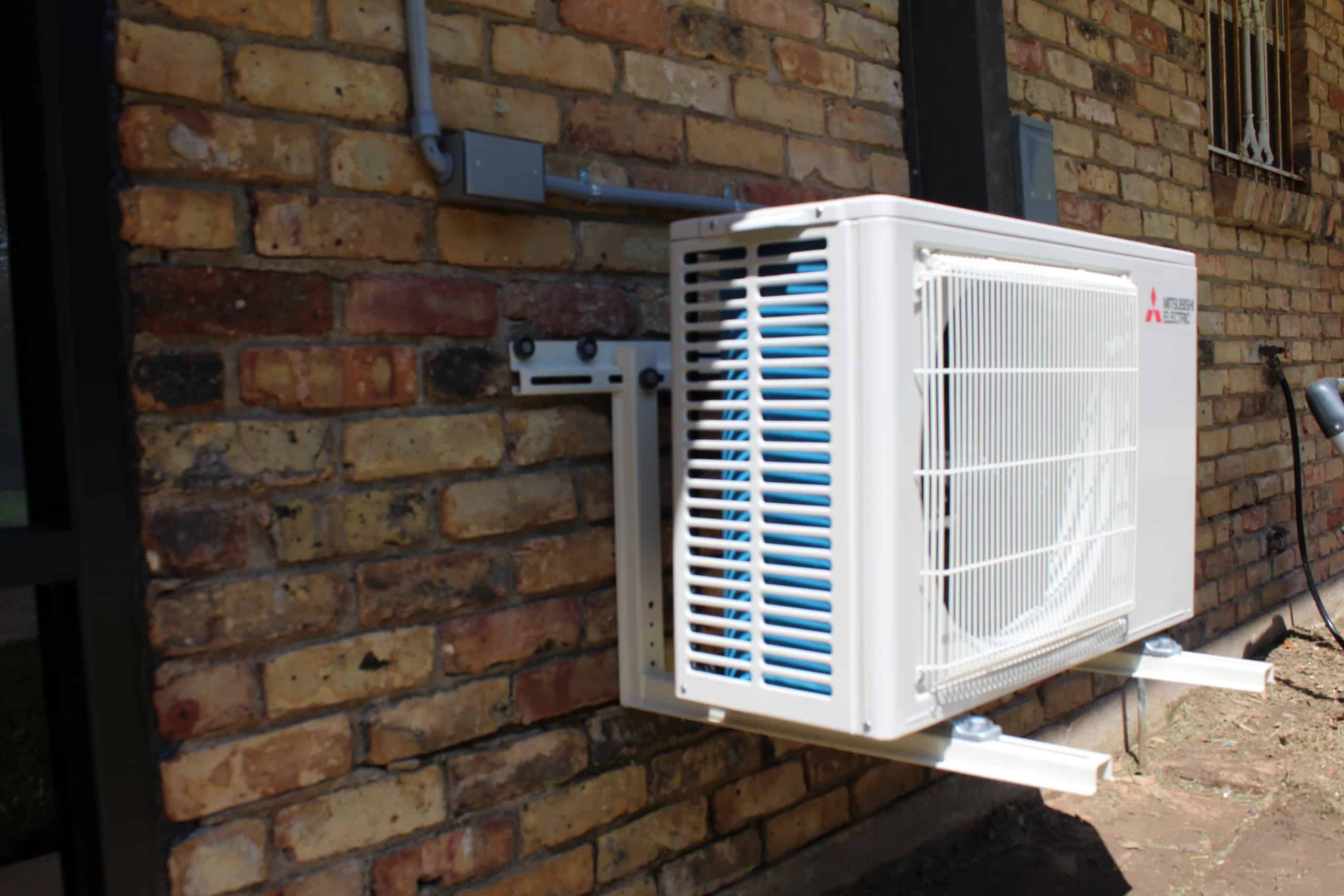
    For some homes, ductwork (or lack thereof) can be an obstacle. In these instances, homeowners may rely on window unit air conditioners. A duct-free, mini-split system is an ideal solution for older homes that are not equipped with HVAC ducting or single rooms, such as a renovated attic or garage, that were not originally fitted with ductwork.Duct-free, mini-split units are installed directly into the areas of the home that require heating and cooling. Typically, one unit will manage the comfort of a single room, or zone, in your home. Depending on the configuration of your home and the system capabilities, units may be wall-, ceiling-, or floor-mounted – and in some instances, ducting may be incorporated to provide multi-zoned comfort from one unit.


A geothermal system consists of two primary components: a ground source heat pump situated inside your house and a closed loop of Polyethylene Pipe that is buried deep in the ground exterior around your home. A set of pumps circulates a fluid mixture antifreeze through the loop in the ground. As the fluid circulates, it acts as a heat exchanger, either dispersing or collecting heat from the earth.


  • Packaged Heating and Air Conditioning System
    Residential packaged HVAC systems are compact and efficient. The system design consolidates all the components of a traditional, split HVAC system into a single unit that sits outside your house. This is an ideal fit for homeowners without a basement or who require a rooftop solution.

Additional Considerations

Beyond heating and cooling, there are several additional factors to consider when understanding how an HVAC system works. These factors can impact your energy costs and influence the health and comfort of your home.

  • Energy Efficiency
    Energy efficiency is an important consideration. Finding a system that is the ideal size for your home plays an important role in ensuring just the right amount of energy is being used. Additionally, ENERGY STAR® ratings make identifying efficient heating & cooling units easy.  ENERGY STAR®  is a standard created by the U.S. Department of Energy (DOE) and the U.S. Environmental Protection Agency (EPA). In the case of HVAC systems, this label denotes products that save at least 15% to 25% more energy than standard products.Energy-efficient HVAC products are not only good for the environment, but they can also provide significant savings on your utility bills. Learn more about HVAC energy savings with this simple guide.
  • Indoor Air Quality
    Your HVAC system is responsible for regulating and circulating airflow around your home, so improving indoor air quality (IAQ) can provide significant improvements to both the comfort and health of your home.  Integrating IAQ products, such as ventilators, humidifiers, dehumidifiers and air cleaners can be helpful in homes with pets or those with allergies, asthma or concerns related to airborne viruses, bacteria or mold. Find more tips to improve indoor air quality in this article.
  • Thermostats and Smart Home Controls
    Your thermostat is the command center of your HVAC system. In addition to controlling indoor temperatures, some thermostats integrate smart home features into your HVAC system. Programmable thermostats are proven to improve HVAC system efficiency and reduce energy costs. Beco takes this a step further by integrating voice control using Amazon Alexa, and remote access and monitoring via a smart device (including Apple Watch®) in some communicating thermostats. Plus, some Beco thermostats include service alerts and optional remote dealer monitoring and access to ensure your HVAC system provides outstanding home comfort for years to come.It’s important to understand how HVAC systems work when you are considering a system repair or replacement. Beco Air and Heat is here to help you determine which system is best for your home and lifestyle.

Mythbusters: The Bigger the HVAC System, the Better

While variable-capacity HVAC technology was introduced to the U.S. over 30 years ago and is very common abroad, many consumers in the U.S. are still unfamiliar with heat pump technology and are still untrusting of its capabilities. With that mindset, there are a lot of “myths” about these systems that we’re setting out to debunk!

HVAC Services

Myth: The Bigger the HVAC System, the Better

The Truth:

Bigger does not always mean better, especially with HVAC systems. When it comes to specifying a mechanical system for a home, a system that’s too large (in both capacity and footprint) can lead to a lot of headaches, discomfort and undue burden on your wallet, as well as a shortened lifespan for your system!

You may be thinking, “How can this be? Wouldn’t a larger HVAC system just heat and cool my house better and faster? What’s so bad about that?” Trust us, you aren’t alone in that thought, but the phrase “bigger and better” doesn’t apply here.

On-Off Cycling

First, let’s cover the basics of “oversized capacity.” Capacity is the amount of heating and cooling a system provides. The “load” is the amount of heating and cooling a space needs to be comfortable. To condition your home, your HVAC system turns on full-blast then runs until it reaches your set point or preferred temperature. An oversized system might warm up your home in minutes but it’ll shut off as soon as your desired temperature is reached. Then, once the temperatures start to drop because the system is no longer running, it starts up again. This cycle is called short-cycling, and it can really put wear and tear on your system. Starting and stopping is energy-intensive, so short cycling is also wasteful when it comes to energy consumption and utility bills. Additionally, the constant on/off cycling can cause uncomfortable drafts

Performing a heat load calculation and sizing the system correctly for the space is always the best practice. Using variable speed HVAC system is also a great way to combat oversizing.  Instead of cycling on and off frequently, the compressors run constantly and ramp up or down based on the need. For even greater efficiency, a zone-by-zone control system means units can be shut off in certain rooms or areas of the home that are used infrequently. This increased efficiency means cost savings for you.

Whether conventional or variable-capacity, a system with too large of a capacity will heat or cool more powerfully than is necessary and cause short cycling. A variable-capacity system still has a range. You’re going to have performance issues if your heat pump’s lowest capacity is still too much for a space’s load. To get the best from Zoned Comfort Solutions, Beco air and heat will make sure you get a correctly-sized system.

Big Performance from Small Footprints

While your HVAC contractor makes the calls when it comes to capacity sizing, the “bigger is better” misconception among homeowners and a lot of contractors create nightmare situations for the homeowner. Always ask for a heat load calculation when installing a new HVAC system.

The Not-So-Obvious Comfort Factor

Indoor Air Quality

The thermostat is set at 68 degrees Fahrenheit and it feels like 80, the outdoor unit is louder than ever, the utility bills continue to go up – these are the more obvious signs that an HVAC system should be replaced. Yet there’s another indicator just as important, but invisible to the naked eye: indoor air quality (IAQ). In a recent article from ACH&R News“Making the Case for Healthier Homes,” contributing editor Kimberly Schwartz brings to light this sightless aspect of a cooling and heating system that is often overlooked by homeowners.

According to the Environmental Protection Agency, the air within our homes can be 100 times more polluted than outdoor pollutant levels. If not properly addressed, contaminated air can have profound effects on overall health and comfort. Eye, nose and throat irritation, headaches, dizziness and fatigue are some of the more obvious signs of poor IAQ. Over time, this exposure can lead to more serious health concerns such as asthma, respiratory and cardiovascular disease, and even cancer. So how can homeowners breathe the cleanest air possible? Here’s what you can tell them:

  • Get rid of the source: Look around the home for what may be causing the problem, and remove it. Beco Air and Heat offers an IAQ home monitoring system that measures and transmits data for a week, focusing on six areas of air quality (temperature, humidity, carbon monoxide, carbon dioxide, particulates and volatile organic compounds). We can then generate comprehensive reports, diagnose the IAQ issues and provide solutions to the homeowner.
  • Air filtration: Cooling and heating systems with robust air filtration technologies are key in capturing the tiniest airborne particles that would otherwise end up in the lungs and cause health problems. For example, our systems feature multi-stage allergen filtration that removes allergens, viruses and bacteria from the air. Easily accessible filters absorb odors and trap dust, dander and other suspended particulates.
  • Ventilation: The growing trend of tighter building envelopes and more energy-efficient building codes makes ventilation more of a focus. Tighter homes don’t allow for enough outdoor air to be brought in to dilute contaminants or carry them out of the home. Ventilation systems are essential in exchanging stale indoor air for fresh outdoor air at the same air movement rates.

Once homeowners are aware of IAQ and its consequences to their health and comfort, they’ll be motivated to take action. And when they do, let’s be there to ensure that the air they’re breathing is the cleanest possible.

For a free in-home evaluation contact us today!

Make the Best of Your Heating and Air-Conditioning System

Make the Best of Your Heating and Air-Conditioning System


When shopping for a new heating and air-conditioning system, many homeowners’ wish lists include both efficient operation and improved comfort control. Modern heat pumps can satisfy both demands, but you’ll want to understand the differences between your options. In terms of their performance, we put them into three categories: basic, better and best.

Basic

Conventional single-stage heat pumps use full power and 100 percent capacity each time they turn on. They blast your home with hot or cold air and turn themselves off when the desired temperature is reached.

In air-conditioning mode, the heat pump turns on when indoor temperatures drift from your set point. For example, if you set the thermostat to 72° F, the unit will run anytime indoor temperatures increase higher than 72° F. The system drives the room temperature below the 72° F set point (typically by a couple of degrees) then shuts off. The same concept applies in reverse in heating mode. Unfortunately, this means conventional heat pumps waste energy by frequently cycling between on and off.

Better 

A two-stage heat pump is a middle ground between a single-stage and variable-capacity system. This option has two stages: low capacity (around 70 percent in most models) and high capacity (100 percent). Two-stage heat pumps are more efficient than single-stage heat pumps because they run on low most of the time. They have longer run cycles which help maintain a constant temperature in the home.

Best 

We saved the best (and most efficient) for last: variable-speed heat pumps. A variable-speed heat pump varies capacity and energy use to match your home’s real-time heating and air-conditioning needs. If your home only needs to be heated or cooled by a few degrees, the heat pump uses the minimal energy required instead of running at full tilt. Also, the system runs continuously and eliminates the wasteful on and off cycle of single-stage units.

INVERTER® technology empowers variable-speed heat pumps to deliver energy efficiency and a superior comfort experience. Also, you can expect reliable comfort even if you live in a colder climate. Units with our  INVERTER®technology can heat your home at temperatures as low as -13° F. Conventional heat pumps are unable to provide effective heating below 35° F.

HTML Snippets Powered By : XYZScripts.com