
How Geothermal Works
Harnessing the consistent underground temperature to provide heating and cooling with unmatched efficiency, comfort, and silence.
Energy From Beneath Your Feet
While outdoor temperatures swing wildly, just a few feet below the surface the ground stays consistently between 55–70°F. Geothermal systems tap into this stable energy source using underground loops and a high-efficiency heat pump to move heat in and out of your home.
- In winter: heat is absorbed from the ground and distributed through your ductwork.
- In summer: heat is extracted from your home and released into the earth.
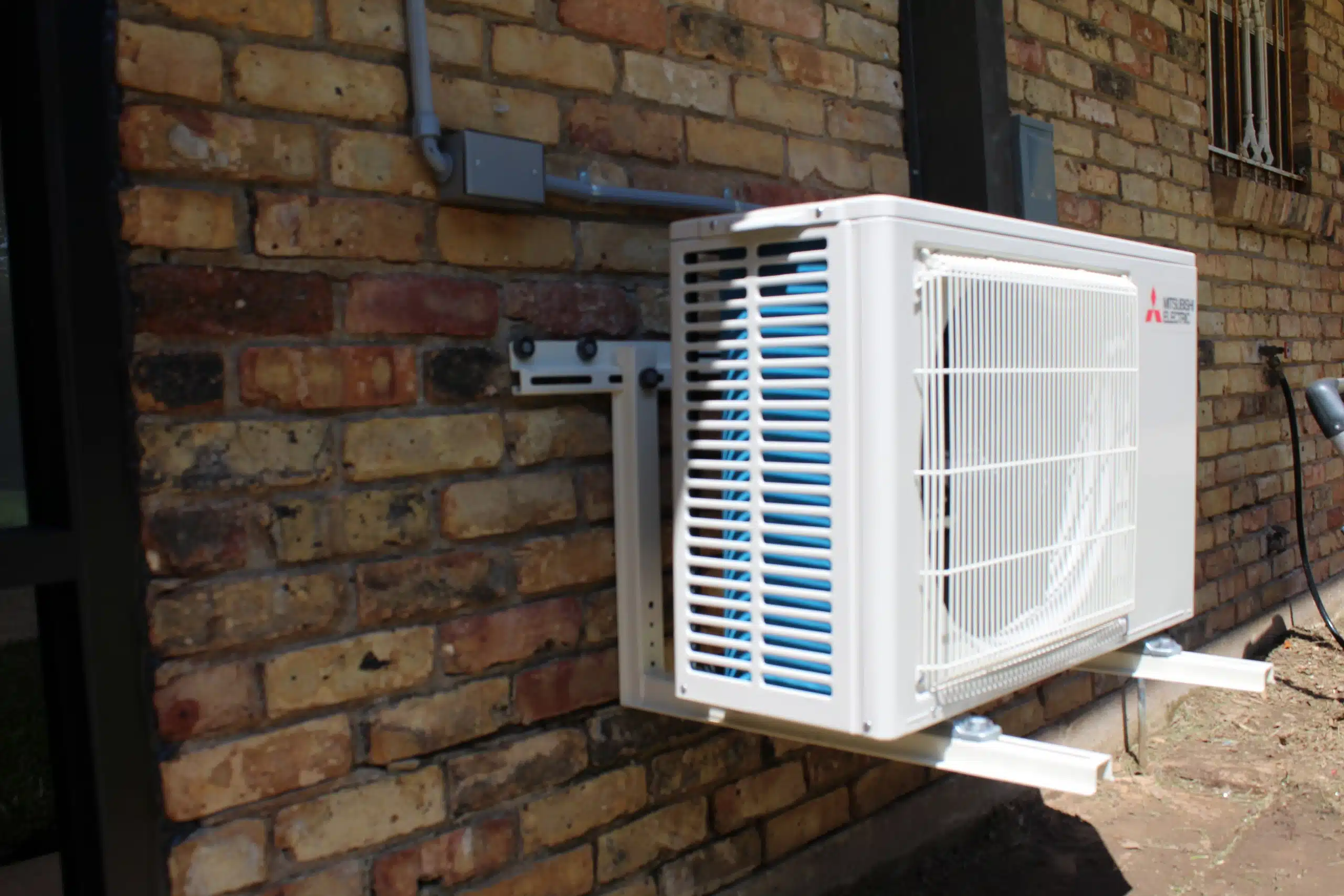
- No combustion. No flames. No outdoor condensers.
Geothermal HVAC systems operate using a closed-loop system of high-density polyethylene (HDPE) pipes buried underground. These loops circulate a water-based antifreeze solution that absorbs or releases heat, depending on the season. The liquid moves to a geothermal heat pump inside your home, where heat is either removed from or added to the air before being distributed through your existing ductwork.
In the cooling season, the system pulls heat from inside your home and transfers it into the ground. In heating mode, it reverses—drawing heat from the earth and moving it into your living space. This process requires no combustion and produces no direct emissions, making it significantly safer and cleaner than fossil-fuel-based systems.
Installation begins with a site assessment to determine which loop configuration is best: vertical, horizontal, pond/lake-based, or open-loop (well water). In suburban or space-limited areas, vertical drilling is common—requiring boreholes 150–300 feet deep. Horizontal installations are more cost-effective if land is available, using trenches 4–6 feet deep and 100–400 feet long per ton of system capacity.
Once the loops are in place, they’re connected to the heat pump inside your home. The interior unit looks much like a traditional furnace or air handler but functions very differently. After pressure testing and flushing the loops, the entire system is started, balanced, and tuned to your home’s exact needs. A typical residential install takes 3–7 days depending on weather, soil conditions, and home size.
With no noisy outdoor compressor, no gas line, and very low ongoing maintenance, geothermal systems are an investment in long-term comfort and energy savings—with life expectancies of over 25 years for the indoor unit and 50+ years for the ground loop.
The type of loop system chosen often depends on property size, soil conditions, water availability, and budget. Vertical loops are ideal for small lots or retrofit projects and are drilled straight down, often 150–300 feet deep. Horizontal loops, used when land area permits, involve long trenches and are typically more affordable to install. Open-loop systems, which draw water from a well or pond and discharge it afterward, can be cost-effective but require high water quality and municipal approval.
Compared to traditional HVAC, geothermal systems can reduce heating and cooling bills by up to 70%. Many homeowners also qualify for federal tax incentives—up to 30% of total installation cost through the Investment Tax Credit (ITC). Some local utilities in Texas offer rebates for energy-efficient upgrades, further improving return on investment. With consistent ground temperatures, geothermal systems also eliminate performance swings during heat waves or cold snaps, providing stable comfort year-round.
Beyond efficiency and savings, geothermal delivers near-silent operation. There are no large fans or compressors running outside your home, and the indoor unit is quieter than most refrigerators. With fewer moving parts, and no exposure to outdoor weather, these systems require minimal service—usually just a filter change and annual system checkup. It’s a cleaner, smarter, and more permanent solution to home comfort.
Geothermal heating has ancient roots, going back to Roman baths. The first modern residential geothermal systems appeared in the 1940s. By the 1970s and 80s, closed-loop and direct-exchange systems helped popularize the technology, especially in the Midwest and Canada.
Today’s geothermal systems are quieter, more efficient, and easier to install than ever before—often requiring no more yard space than a swimming pool installation. Vertical loops are ideal for tight lots, while horizontal trench systems reduce costs on open land.

The Underground Advantage
Unlike conventional air-source systems that lose efficiency when outdoor temperatures spike or drop, geothermal units stay efficient all year long. Underground loops act like a battery—absorbing, storing, and releasing thermal energy exactly when you need it.
- Average COP (Coefficient of Performance): 3.0 to 5.0
- Up to 70% reduction in utility bills
- Near-silent indoor operation
- Lasts 2–3 times longer than conventional systems
With no outdoor unit to maintain and unmatched longevity of ground loops, geothermal delivers long-term ROI while keeping your backyard serene and undisturbed. According to the U.S. Department of Energy, over 50,000 new geothermal systems are installed annually in the U.S.—a number that continues to grow.
Smart. Silent. Sustainable.
Geothermal HVAC is invisible to the neighborhood, but powerful beneath the surface. If you're tired of noisy condensers, skyrocketing energy costs, and short-lived systems—this is the solution. Beco designs and installs geothermal systems that blend into your home while transforming your comfort and cost of ownership.
Explore the Possibilities
Whether you're building new or upgrading, our team can help you determine if geothermal is the right fit. Beco brings over 20 years of geothermal experience to every project.
Schedule a Consultation