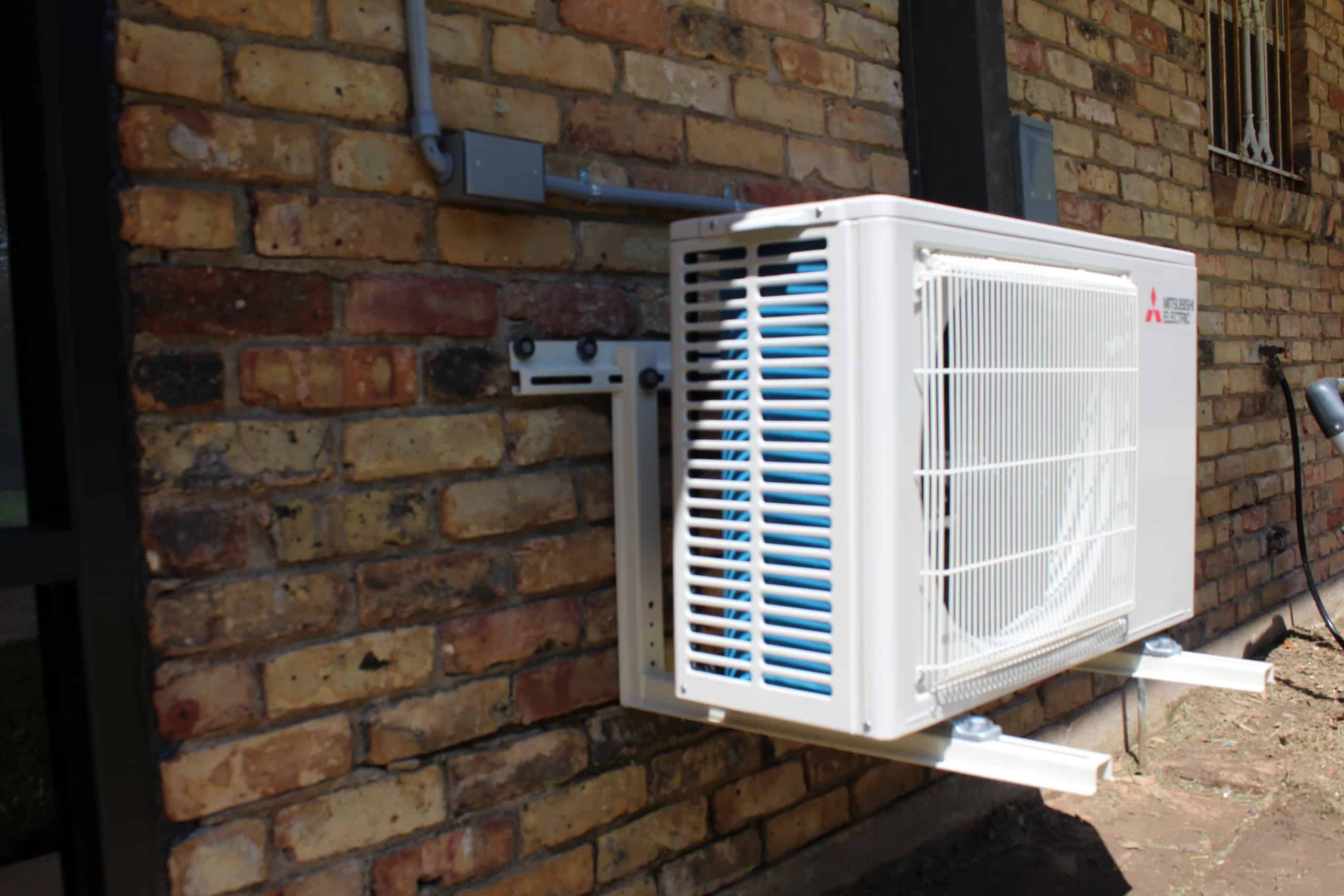

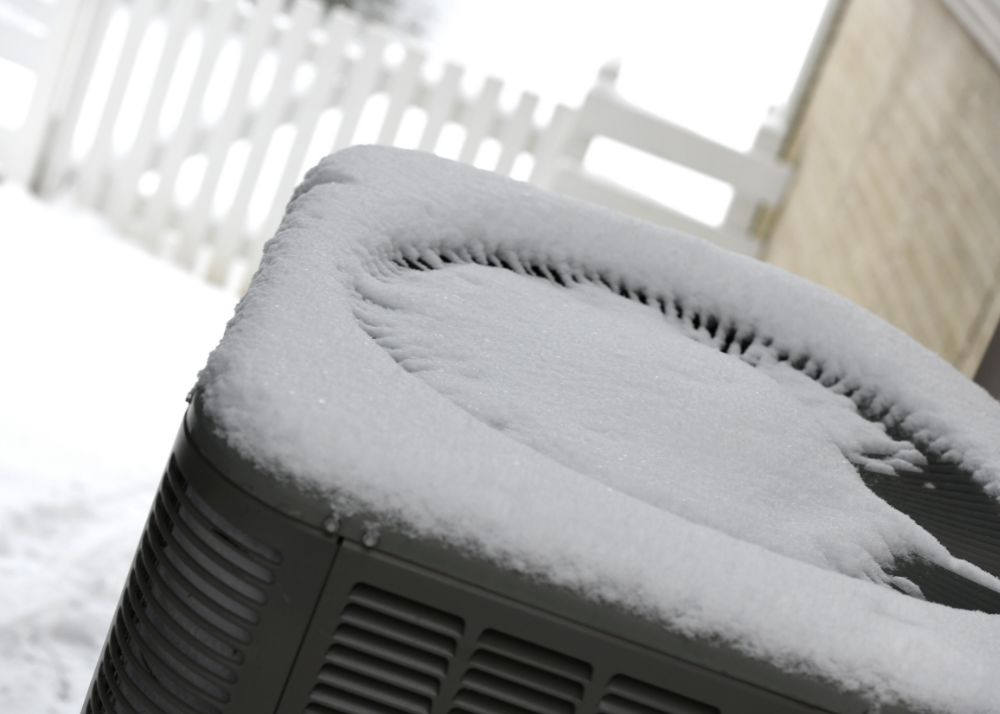
A heat pump works like an air conditioner in reverse, absorbing heat from the outdoor environment and transferring it into the home. Heat pumps can struggle to work efficiently when temperatures dip below freezing. Due to the difficulty in extracting heat from very cold outdoor environments, some heat pump owners need a supplemental heating system to feel comfortable. Most heat pump units are equipped with electric heat strips that can be used when outside temps are extremely cold. This is known as emergency or auxiliary heat. Some units will automatically switch over, but some may require you to manually switch via your thermostat. Check out these expert tips for how to troubleshoot a broken heat pump: THE OUTDOOR UNIT IS ICED OVERIf your outdoor condensing unit is iced up, airflow will be severely restricted. The most common solution to a frozen heat pump is running the defrost cycle. It normally turns on automatically at timed intervals or when the unit detects frost, however, some systems have a defrost option. The defrost cycle basically reverses the heat pump into air conditioning mode so that it can pump heat to the outdoor unit until it unfreezes. The defrost cycle only runs for around 10-15 minutes. If the defrost cycle isn’t thawing your iced over heat pump, try these steps: 1. Check the air filter and replace if needed. 2. Make sure there is no debris near the outdoor unit that may be preventing airflow. Always maintain a minimum 2-foot clearance around the unit. 3. If there is no air flowing from your vents, you may have a malfunctioning blower motor. Try setting the thermostat to “fan” to see if the blower motor or some related component is at fault. If the indoor blower is working, the outdoor condensing fan motor may be the problem. Make sure your heat pump is on and then check the outdoor condenser unit-the fan should kick on. If the solutions above do not work, prevent any further damage to your unit by contacting a professional right away. NO AIR OR COLD AIRMake sure all of your vents are open to allow proper air movement. It’s never a good idea to close vents and registers in the home to try and keep the heat in one area of the home. This “manual zoning” solution can create unwanted pressure within the system and cause duct leaks, system failure, and other problems. If you are feeling cold air blowing from the vents, the heat pump could be in defrost mode. This is normal if you don’t have a supplemental heating system, such as heat strips. Defrost cycles normally last around 10-15 minutes and then the heat will kick back on. WHEN TO CALL A PROFESSIONAL1. The outdoor unit is not running at all. 2. The thermostat isn’t working properly. 3. Ice/frost remains on the unit for over half a day. 4. Annual routine heat pump maintenance has not been performed on your unit within the last year. Even if you have a newer system, and especially if you have a system still under the manufacturer’s warranty, you should consider opting for an annual maintenance plan. Turn to Beco Air and Heat for all your heating services in the Greater Fort Worth area. Our NATE-certified technicians are highly skilled and ready to repair any make or model of heater. For situations that need to be addressed immediately, we offer 24/7 emergency availability. Contact us at https://becoairandheat.com/contact-us or call 817-921-3724. |
||||
DIY Furnace Inspection
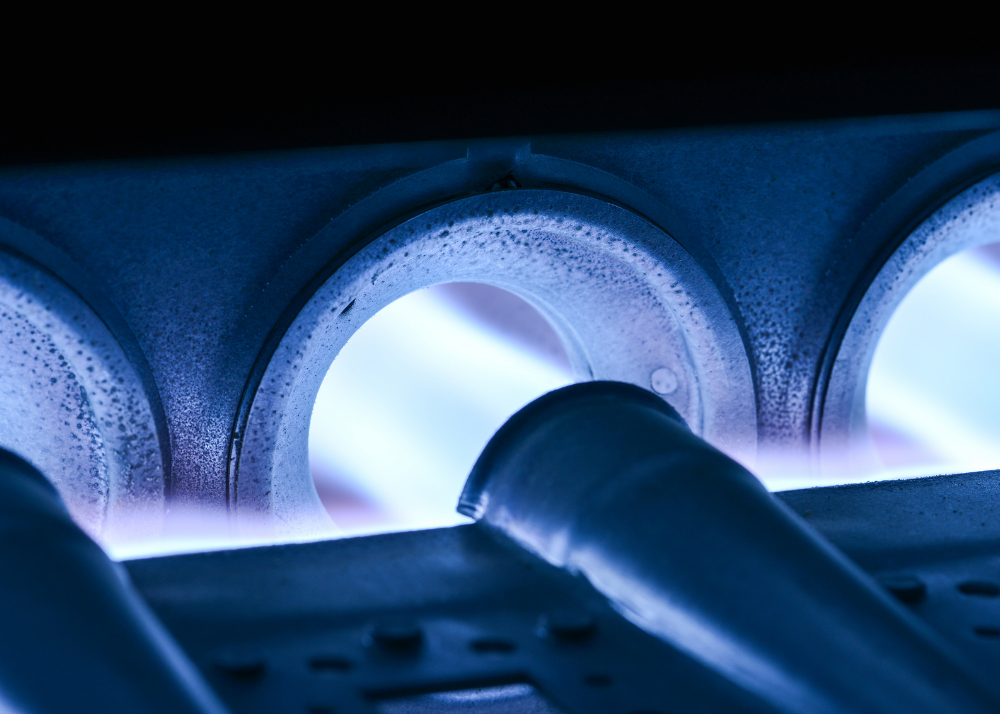
At Beco Air & Heat, we understand that 2021 hasn’t been the kindest year for many in regard to finances. If you are having to forgo or postpone an annual heating tune-up this year, we do ask that if you have a gas furnace, you take the time to do a visual inspection for safety reasons. Many people may not be aware that a furnace can cause a house fire if the conditions allow it. As the weather starts to get colder, many people turn on their furnaces for the first time in months and expect them to work without any prior attention at all. A furnace is a complex piece of equipment, and it needs regular maintenance to work correctly. A heating system that is maintained annually will have better efficiency, and lower heating bills. There are also safety concerns that need to be understood and addressed to reduce the chances of a furnace fire. Inspect the Air FilterEvery home furnace will contain an air filter, which is vital for the heating system to work correctly. The air filter makes sure that the air coming into the home is free from a variety of unwanted materials, such as dirt, dust, pollen and pet hair. By removing these materials, the air filter is preventing them from causing damage to internal components in the furnace. Over time, the air filter can become blocked and clogged. When the air filter is blocked the airflow will become compromised, and the furnace will be forced to work harder to draw fresh air into the heating system. Eventually, the furnace could work so hard that it could overheat and the blower motor could even catch fire. For this reason, it’s a good idea to change the air filter on a regular basis. Best practice is to replace standard filters monthly. Look at The FlameThe flame color indicates whether or not your furnace is burning its fuel safely and efficiently. The color and behavior of the flames can be a good indicator of the health of your heating system. Flickering flames and incorrect flame colors (anything other than blue) are indications that your furnace is leaking energy and carbon monoxide. A healthy natural gas furnace flame is characterized by a roaring blue flame with a light blue triangle in its center. There may be a tiny tip of yellow. A blue flame indicates safe and efficient combustion, meaning that the gas is being burned efficiently and not being wasted. If your flame is yellow or orange, or if you see pops of yellow or orange, that is a sign that you have a combustion problem that should be addressed by a professional. If your furnace burner flames are any other color than blue, turn your furnace off and contact a licensed HVAC contractor for service right away! NEVER attempt to fix a furnace flame’s color on your own. Maintain DetectorsMaintain all smoke and carbon monoxide detectors. Make sure they are in working order with fresh batteries. If you need quick and reliable repair, maintenance, orinstallation services, turn to Beco Air and Heat. We are available 24/7 and never charge overtime. |
||||
Alternatives To Traditional Air Conditioning
We live in a part of the country with historically long, hot summers. Home comfort is a vital part of life here, in the great state of Texas. Most homes in the DFW and surrounding areas rely on traditional heating and air conditioning systems: usually, centralized systems that heat or cool the air in a single location, then blow it through the home with a series of ducts. The system works quite well, but it’s not the only kind of HVAC system out there. Depending upon the needs of your home, another one might be able to do the job much more effectively. Ductless SystemsTraditional HVAC systems depend on ducts to carry the air through the home. But not every home can support such a system of ducts, especially older homes built before the advent of air conditioning. Ductless mini-split systems use multiple smaller units placed into your home at different points. Each unit is designed to heat or cool a specific section of the house. Each unit can be adjusted independently of the rest of the home as well. That lets you set different temperatures in different rooms to suit individual tastes. More importantly, it lets you turn the unit off in parts of the home you aren’t using while still running it in parts of the home you are. That can save you a great deal of money on heating and cooling bills, as well as eliminate the need for ducts to keep your home comfortable. Ductless mini-split systems are also becoming widely used in converted garages, home additions, sunrooms, man caves, she sheds, etc. Ductless Systems vs TraditionalCost: For a single-room solution, ductless units cost several times more than comparable window units (thousands of dollars versus hundreds). In whole-house terms, if you replace your existing central heating/cooling system with a complete ductless solution, the installed cost can be comparable to a traditional ducted system. However, a traditional ducted system costs thousands of dollars more to operate compared to a ductless over their lifetimes. Life expectancy: Both options have a life expectancy of 10 to 15 years. Beco Air and Heat ductless systems have a 12-year parts warranty. Geothermal SystemsMany homeowners have recently taken an interest in the trend of geothermal HVAC systems. It’s a technology that works similarly to traditional home heat pumps but depends on temperature differences deep underground rather than in the outside air. By drawing stored solar energy from the earth, geothermal systems are able to provide indoor comfort with noticeable savings and better efficiency, up to 48 SEER. Geothermal units are situated within the property, avoiding the need for outdoor air conditioning compressors that are generally exposed to harsh elements. Geothermal technology remains active at all times, whereas common HVAC systems usually cycle on and off in an attempt to regulate indoor temperatures. These systems rely exclusively on a renewable energy source and thus are often subject to tax credits that can save you money on installation. Monthly operating costs are generally much lower than older-fashioned technologies and tend to remain more consistent over the long haul. It all makes sense, then, that the Environmental Protection Agency has designated geothermal heating as an ideal green-friendly HVAC alternative. Geothermal Systems vs TraditionalCost: The installation price of a geothermal system can be several times that of an air-source system of the same heating and cooling capacity. However, the additional costs are returned to you in energy savings in 5 to 10 years. There are Government tax credits that can be applied to the total project up to 30%. This includes the equipment, ground loops, labor, and materials – the total job. Life Expectancy: There are notable advantages offered by geothermal energy in terms of performance. For starters, they’re expected to function for up to 25 years-considerably longer than the approximate 10-year lifespan of common HVAC systems. If you are interested in ductless or geothermal, give Beco Air & Heat a call! |